
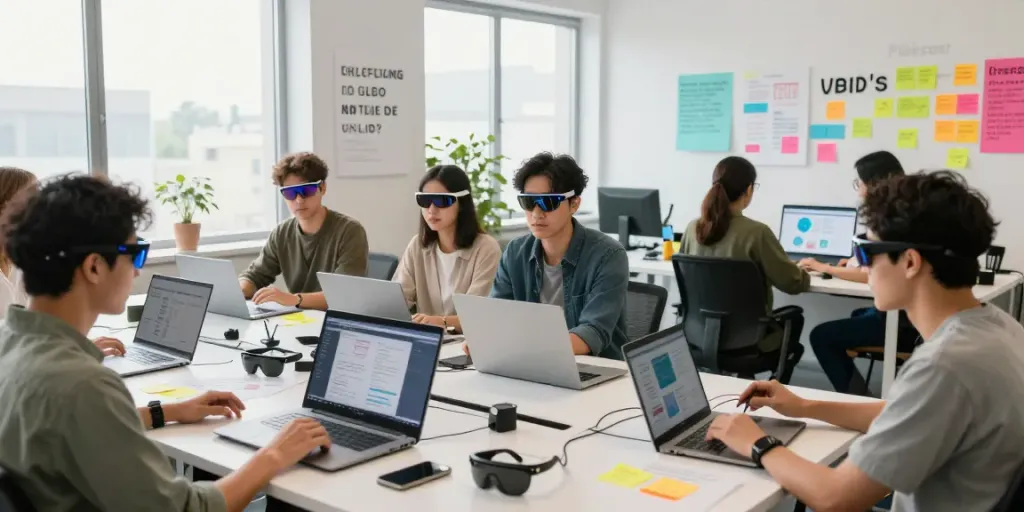
Introduction to AI Smart Glasses
As technology continues to drive innovation, AI smart glasses have emerged as a prominent player in the rapidly evolving tech landscape. These devices blend augmented reality with artificial intelligence, enabling users to interact with their environment in unprecedented ways. This transformative technology has applications ranging from personal entertainment to professional tools in various industries. However, as adoption increases, so do concerns about privacy and security, which we will explore in depth. By understanding these devices, we can better navigate the implications they may have on our lives and society. For those seeking comprehensive insights into technology and its impact on local economies, bedfordsocialclub.com offers valuable resources.
What Are AI Smart Glasses?
AI smart glasses are wearable devices equipped with small displays, cameras, and sensors that allow users to view and interact with digital information in real-time. Unlike traditional smart glasses that merely display notifications, AI-enabled variants employ advanced algorithms to analyze data and adapt the user experience based on context. Key features often include voice recognition, facial recognition, and augmented reality overlays, which create a seamless blend between the digital and physical worlds.
Historical Context and Evolution
The concept of smart glasses dates back to the early 2010s, with significant advancements in both hardware and software paving the way for modern iterations. Initial products struggled with usability, battery life, and public acceptance. However, as consumer technology improved and the demand for hands-free devices increased, companies like Google and Microsoft began to invest heavily in the development of smart eyewear, laying the groundwork for today's sophisticated AI applications.
Current Market Trends and Demand
In 2026, the market for AI smart glasses is experiencing exponential growth, driven by advancements in AI technology and increasing interest from various sectors such as healthcare, retail, and entertainment. Major manufacturers are racing to develop products that offer unique capabilities, such as real-time language translation and enhanced visualizations for complex tasks. As businesses recognize the potential of smart glasses to augment productivity, the demand for these devices is set to rise significantly.
Privacy Concerns Surrounding Smart Glasses
While the benefits of AI smart glasses are enticing, they also raise significant privacy concerns. The integration of cameras and microphones in personal devices has sparked debates over surveillance and personal data security. As smart glasses become more prevalent, it is crucial to address the implications they may have on user privacy and government regulations that may emerge in response.
Global Privacy Regulations in 2026
In response to growing concerns over data privacy, many countries are implementing stricter regulations regarding the usage of personal data collected through devices like smart glasses. By 2026, regulations such as the General Data Protection Regulation (GDPR) in Europe and California Consumer Privacy Act (CCPA) in the United States serve as frameworks for how data must be managed, focusing on user consent and transparency. These regulations aim to protect consumers from potential misuse of their data by tech companies.
Potential Risks and User Concerns
Users of AI smart glasses may face several risks, including unauthorized data access, hacking, and misuse of personal information. Additionally, the ability of these devices to record interactions without the knowledge of surrounding individuals raises ethical questions regarding consent. Users should remain vigilant and informed about potential vulnerabilities and take proactive steps, such as adjusting privacy settings and being selective about sharing their data.
Best Practices for Privacy Protection
To safeguard personal privacy while using AI smart glasses, users should adopt several best practices:
- Regularly update device firmware to protect against vulnerabilities.
- Review and adjust privacy settings to limit data collection.
- Be cautious when sharing personal information, especially in public spaces.
- Understand the privacy policies of the applications and services integrated with the smart glasses.
ASEAN's Response to Online Scams
As technology advances, so too does the sophistication of online scams, particularly in the ASEAN region. Governments and organizations are recognizing the urgent need to combat these threats as consumers increasingly rely on digital platforms for transactions and communications.
Defining Online Scams and Their Impact
Online scams encompass a range of fraudulent activities, including phishing, identity theft, and investment fraud. These crimes exploit the vulnerabilities of internet users, often resulting in significant financial losses. In 2026, the rise of e-commerce and social media has further complicated issues of trust, with scammers using increasingly sophisticated tactics to deceive users. The growing prevalence of scams has led to calls for stronger regulatory measures and public awareness campaigns.
ASEAN Initiatives to Combat Scams
In response to the escalating threat of online scams, ASEAN member states are collaborating on initiatives to strengthen cybersecurity and consumer protection. Efforts include establishing cross-border regulatory frameworks, public education campaigns, and enhanced reporting mechanisms. These holistic approaches aim to create a safer online environment for users and to hold scammers accountable across jurisdictions.
Recommendations for Consumers
Consumers can take several proactive steps to protect themselves from online scams:
- Be cautious of unsolicited communications and verify the source before sharing personal information.
- Utilize two-factor authentication whenever possible to enhance account security.
- Educate oneself on common scams and warning signs to stay informed and vigilant.
Market Recovery for Commercial Vehicles
The commercial vehicle market is poised for recovery as economies rebound from global disruptions, with the Indonesian market showing signs of significant growth in 2026. This recovery is indicative of broader trends in transportation and logistics that are shaping business operations across sectors.
Overview of Market Trends in 2026
The commercial vehicle market is set to reach remarkable milestones, with projected sales expected to exceed 71,759 units in Indonesia alone. This upward trajectory reflects the increasing demand for logistic solutions, particularly as e-commerce sales continue to surge. Companies are responding to this demand by investing in modern fleets that incorporate fuel efficiency and sustainability.
Factors Driving Growth in Commercial Vehicles
Several factors contribute to the recovery and growth of the commercial vehicle market, including:
- Increased e-commerce activities driving demand for delivery vehicles.
- Government incentives for electric and hybrid vehicles aimed at reducing carbon emissions.
- Technological advancements that enhance safety and operational efficiency in modern fleets.
Strategic Insights for Businesses
Businesses looking to navigate the evolving landscape of commercial vehicles should focus on the following strategies:
- Invest in fleet management technologies that optimize routes and reduce operational costs.
- Emphasize sustainability by transitioning to greener vehicles.
- Stay informed about regulatory changes that may impact vehicle compliance and safety standards.
Future Predictions for AI Technology
The future of AI technology holds immense promise, with innovations set to reshape industries and daily life. As we look ahead to 2026 and beyond, several trends and technologies are poised to take center stage.
Emerging Technologies in AI
Key areas of growth within AI technology include machine learning, natural language processing, and computer vision. These technologies are not only driving advancements in smart glasses and other wearable devices but are also influencing various sectors such as healthcare, finance, and logistics. As AI technologies become more refined, their applications will continue to expand, leading to improved efficiency and decision-making.
Impact of AI on Global Economies
The integration of AI technology into business processes is expected to significantly impact global economies. As automation replaces traditional jobs, there is a growing focus on reskilling and upskilling the workforce to prepare for AI-driven roles. Economies that effectively embrace AI technologies are likely to experience enhanced productivity and competitiveness on the global stage.
2026: What to Expect in the AI Landscape
Looking forward to 2026, we can anticipate the continued proliferation of AI solutions, such as personalized shopping experiences, autonomous vehicles, and advanced healthcare diagnostics. With these developments, the discourse around AI ethics and regulation will gain prominence, prompting discussion on how to balance innovation with societal implications.
What are the benefits of AI smart glasses?
AI smart glasses can enhance productivity, improve communication, and provide real-time information overlay, making them valuable tools in various professional settings. Their ability to facilitate hands-free operations allows users to multitask effectively.
How are governments addressing privacy issues with technology?
Governments are responding to privacy issues by implementing comprehensive data protection regulations that require companies to prioritize user consent and transparent data handling practices. These regulations are designed to safeguard consumer rights in the increasingly digitized world.
What should consumers know about online scams today?
Consumers should be vigilant and informed about the tactics used by scammers, including the signs of phishing attempts and fraudulent investment opportunities. Staying educated and cautious can help mitigate risks associated with online scams.
How is the commercial vehicle market evolving?
The commercial vehicle market is undergoing significant transformation, driven by advancements in technology, the rise of e-commerce, and increasing regulatory focus on sustainability. This evolution is reshaping how businesses approach logistics and transportation solutions.
What technologies will shape the future of AI?
Emerging technologies such as quantum computing, blockchain, and advancements in neural networks are expected to shape the next phase of AI development. These innovations will unlock new capabilities and applications across various sectors.