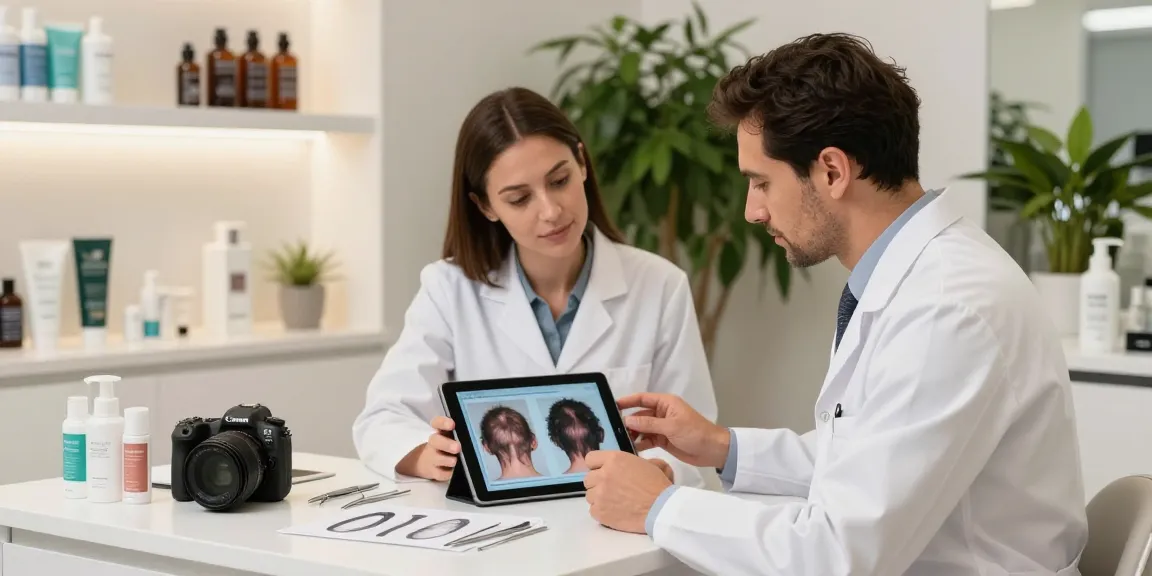
Understanding Hair Transplant Options in Istanbul
Istanbul has emerged as a leading destination for hair transplants, thanks to its blend of advanced medical technology and cost-effective solutions. If you are considering a hair restoration procedure, you are not alone; thousands of individuals travel to this vibrant city each year seeking transformative results. When exploring options, hair transplant istanbul provides comprehensive insights into the latest techniques and clinics, making it easier to make informed decisions.
What is a Hair Transplant?
A hair transplant is a surgical procedure that moves hair follicles from one part of the body (the donor site) to a balding or thinning area (the recipient site). The most common techniques used today are Follicular Unit Transplantation (FUT) and Follicular Unit Extraction (FUE). These procedures are designed to provide natural-looking results, restoring a person's hairline and increasing hair density.
Different Types of Hair Restoration Procedures
There are several hair restoration techniques available, each with unique benefits:
- Follicular Unit Transplantation (FUT): Also known as strip surgery, this method involves removing a strip of scalp from the donor area, which is then dissected into individual follicles. It is effective for large area coverage.
- Follicular Unit Extraction (FUE): This technique involves extracting individual hair follicles directly from the scalp, resulting in minimal scarring and quicker recovery times.
- Direct Hair Implantation (DHI): This advanced method allows for the simultaneous extraction and implantation of hair follicles, enhancing precision and reducing trauma to the scalp.
- Platelet-Rich Plasma (PRP) Therapy: Although not a transplant method, PRP therapy is often paired with transplants to enhance hair growth by utilizing the body’s own healing factors.
Why Choose Istanbul for Hair Transplants?
Istanbul is renowned for its high-quality healthcare services at a fraction of the cost compared to Western countries. Factors driving this trend include:
- World-Class Clinics: Many clinics in Istanbul boast certifications and accreditations from international medical bodies, ensuring that patients receive top-notch care.
- Experienced Surgeons: The city is home to some of the most skilled hair transplant surgeons, many of whom have trained internationally and possess extensive experience.
- Affordability: The cost of hair transplant procedures in Istanbul can be up to 70% lower than in Europe or the US, making it an attractive option for those seeking value.
- Comprehensive Packages: Many clinics offer all-inclusive packages that cover travel, accommodation, and post-operative care, simplifying the process for international patients.
Choosing the Right Clinic in Istanbul
Selecting the right clinic is crucial for achieving the best possible results. Here are important factors to consider when making your choice.
Key Factors to Consider When Selecting a Clinic
- Reputation and Reviews: Look for clinics with a solid reputation and positive reviews from previous patients. Websites and forums dedicated to hair loss can provide invaluable insights.
- Technology and Techniques: Ensure that the clinic uses the latest technology and techniques to ensure safer, more effective procedures.
- Personal Consultations: A good clinic will offer a detailed consultation prior to the procedure to discuss expectations and assess suitability.
Evaluating Surgeon Qualifications and Experience
Before undergoing a hair transplant, it's essential to evaluate the qualifications and experience of the surgeon. Look for credentials such as:
- Board certification in plastic surgery or dermatology.
- Experience specifically in hair restoration techniques.
- Membership in reputable medical associations.
Understanding Clinic Certifications and Standards
Make sure the clinic adheres to international standards and possesses the necessary certifications. Accreditation from organizations like the Joint Commission International (JCI) or the International Society of Hair Restoration Surgery (ISHRS) is a positive indicator of quality care.
Costs and Financing Hair Transplants in Istanbul
Average Costs of Procedures and Factors Affecting Price
The cost of hair transplants in Istanbul can vary significantly based on several factors, including:
- Technique Used: FUE may cost more than FUT due to its complexity and the time involved.
- Number of Grafts: The total cost will often depend on the number of grafts transplanted during the procedure.
- Clinic Reputation: Renowned clinics with experienced surgeons may charge more for their services.
On average, patients can expect to pay between $1,500 to $3,000 for a hair transplant in Istanbul, which is significantly lower than costs in the US, where prices can exceed $10,000.
Understanding Insurance and Payment Options
Most insurance plans do not cover hair transplants, as they are often considered cosmetic procedures. However, many clinics offer flexible payment options, including financing plans to help manage costs.
Budgeting for Aftercare and Additional Treatments
Aftercare is crucial for the success of a hair transplant. Patients should budget for follow-up visits, medications, and potential additional treatments such as PRP therapy, which can further enhance results.
Preparing for Your Hair Transplant Procedure
Pre-Procedure Consultations: What to Expect
During your initial consultation, the surgeon will assess your hair loss, discuss your goals, and explain the procedure in detail. You will also undergo several tests to determine your suitability for surgery.
Steps to Prepare for Surgery Day
On the day of your procedure, here's how to prepare:
- Follow dietary restrictions provided by the clinic.
- Avoid alcohol and smoking in the days leading up to your surgery.
- Wear comfortable clothing that allows easy access to the treatment area.
Common Myths and Misconceptions About Hair Transplants
There are many misconceptions around hair transplants. Some prevalent myths include:
- Hair transplants look unnatural — with modern techniques, results can look very natural.
- Only men undergo hair transplants — women are also increasingly opting for these procedures.
- Transplanted hair will fall out — while some shedding can occur, properly transplanted hair should grow permanently.
Post-Procedure Care and Expectations
Immediate Aftercare Tips for Optimal Recovery
Post-procedure care is essential for the success of your hair transplant. Key aftercare tips include:
- Avoid touching the grafts for several days post-surgery.
- Keep the scalp clean and follow the clinic's instructions.
- Take prescribed medications to prevent infection and promote healing.
Long-Term Care for Sustained Results
For long-lasting results, it’s important to maintain your hair health. This may involve:
- Using gentle hair products that won’t irritate your scalp.
- Adopting a healthy diet rich in vitamins and minerals to support hair growth.
- Regular follow-ups with your surgeon to monitor progress.
Tracking Progress and When to Return for Follow-ups
Hair growth takes time. Typically, patients will begin noticing significant changes within three to six months. Regular follow-up appointments are crucial to assess hair growth and address any concerns.
What are the Potential Risks and Side Effects?
As with any surgical procedure, hair transplants come with potential risks and side effects, including:
- Infection at the donor or recipient site.
- Temporary shedding of transplanted hair.
- Scarring, although modern techniques aim to minimize this.
Discussing these risks with your surgeon during your consultation can help manage expectations and prepare for recovery.