Understanding the Importance of Kindergarten Singapore Education
In today’s rapidly changing world, early childhood education has gained significant importance. Kindergarten education in Singapore is a pivotal stage in a child's development, setting the foundation for lifelong learning. With a focus on inquiry-based learning and holistic development, preschools like Pegasus International Preschool provide children with rich experiences that foster curiosity and critical thinking. When exploring options, Kindergarten Singapore institutions are designed to meet the diverse needs of young learners, ensuring they are not only educated but also nurtured in a supportive environment.
What is Kindergarten Singapore?
Kindergarten in Singapore typically caters to children aged 3 to 6 years old, bridging the gap between nursery and primary school. This education stage is crucial as it aims to develop cognitive, emotional, social, and physical skills through structured play and exploration. Kindergarten programs in Singapore emphasize a balanced curriculum that incorporates various learning domains, reflecting the nation’s commitment to high-quality early childhood education.
Key Benefits of Early Childhood Education
- Cognitive Development: Engaging educational activities enhance critical thinking and problem-solving skills.
- Social Skills: Children learn to interact, share, and collaborate with peers, laying the groundwork for future relationships.
- Emotional Growth: Education during these formative years helps children manage emotions and develop resilience.
- Preparation for Primary School: A solid kindergarten foundation prepares children academically and socially for the transition to more formal education.
Overview of Inquiry-Based Learning Approaches
Inquiry-based learning is a pedagogical approach widely adopted in Singaporean kindergartens. It encourages children to question, explore, and engage actively with their environment. Teachers facilitate learning by guiding discussions and providing resources rather than merely delivering information, empowering children to take ownership of their education. This method not only fuels curiosity but also fosters a love for learning, making education an enjoyable experience rather than a chore.
Core Components of a Successful Kindergarten Program
Curriculum and Learning Activities
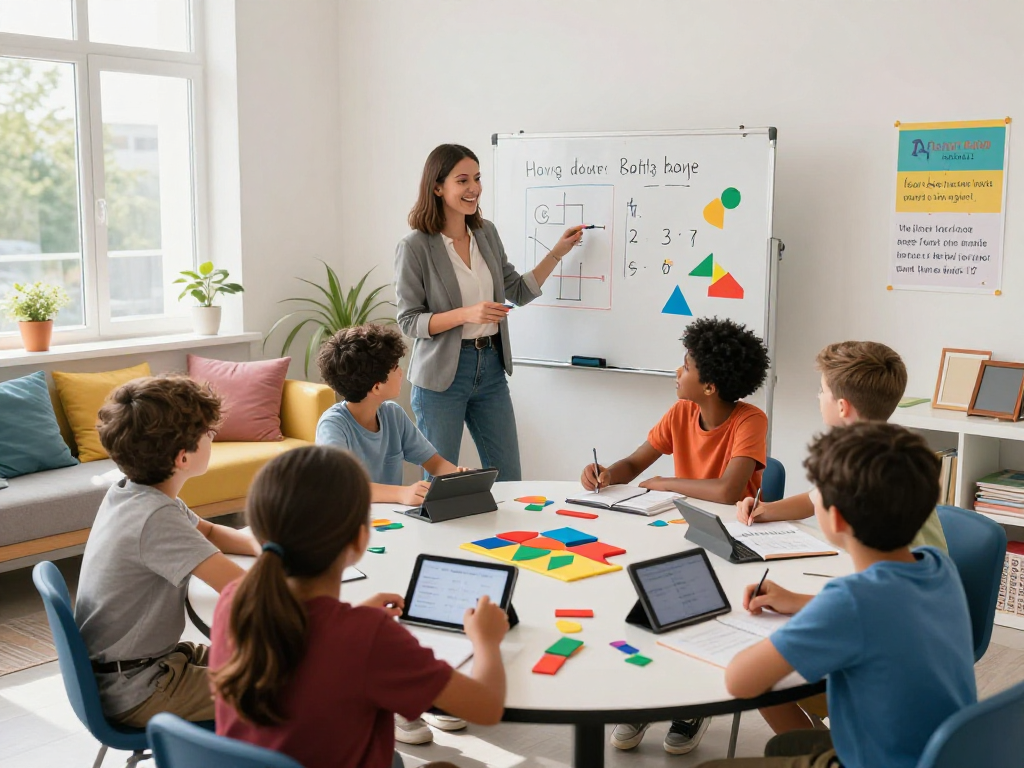
A well-rounded kindergarten curriculum blends academic instruction with play-based learning. Programs at institutions like Pegasus International Preschool promote inquiry-based methodologies, integrating subjects such as language, mathematics, science, and the arts. Activities are designed to be interactive and engaging, allowing children to learn concepts through discovery. Educators implement hands-on projects that help solidify knowledge while fostering creativity and imagination.
Teacher Qualifications and Student Ratio
Qualified educators are central to a successful kindergarten program. In Singapore, many preschools ensure that teachers possess relevant qualifications in early childhood education. Maintaining a low student-to-teacher ratio is vital as it enables personalized attention, ensuring that each child receives support tailored to their unique learning needs. This approach fosters stronger relationships between students and teachers, enhancing the overall educational experience.
Importance of Parental Involvement
Parental involvement is crucial in early childhood education. Active participation from parents or guardians not only reinforces learning concepts at home but also creates a supportive community around children's education. Schools that encourage parent-teacher collaboration can address the holistic development of children, leading to improved educational outcomes. Initiatives such as parent workshops and regular communication keep families engaged in their child's educational journey.
Evaluating Inquiry-Based Learning in Kindergarten Singapore
Measuring Student Engagement and Outcomes
Assessing the effectiveness of inquiry-based learning programs involves measuring student engagement and educational outcomes. Engagement can be gauged through observation of children’s participation in activities, their willingness to ask questions, and their enthusiasm for exploration. Outcome measurements might include developmental assessments and portfolios showcasing children's work, which highlight progress in various domains.
Assessment Techniques for Preschool Educators
Educators utilize various assessment techniques tailored to the unique needs of young learners. Formative assessments, such as observations and anecdotal records, provide ongoing insights into a child's development. Summative assessments, like end-of-term reviews, can help gauge overall growth. By adopting a multifaceted approach to evaluation, educators can ensure that every child’s educational journey remains on track.
Creating Effective Learning Environments
Creating an effective learning environment is essential for fostering inquiry-based learning. Classrooms should be designed to inspire curiosity, with accessible resources that stimulate exploration. Outdoor spaces also play a significant role, allowing children to interact with nature and engage in physical activities, which are vital for holistic development. At Pegasus International Preschool, for example, spacious learning areas and diverse materials promote hands-on exploration and collaborative learning.
Overcoming Common Challenges in Kindergarten Programs
Addressing Behavioral Issues in Early Learning
Behavioral issues can arise in any educational setting, including kindergartens. Early childhood educators are trained to identify and address these challenges with appropriate strategies. Implementing positive reinforcement, structured routines, and social-emotional learning can help mitigate behavioral problems. Educators work closely with parents to develop consistent approaches that foster better behavior and learning outcomes.
Strategies for Inclusive Education
Inclusive education is a fundamental aspect of kindergarten programs in Singapore, ensuring that every child, regardless of ability, can thrive. Teachers employ differentiated instruction techniques to cater to diverse learning needs. Collaborating with specialists, such as speech therapists and special education experts, allows schools to provide tailored support, ensuring that all children have the opportunity to succeed in a nurturing environment.
Managing Diverse Learning Needs and Backgrounds
In a multicultural society like Singapore, kindergartens must manage diverse learning needs and backgrounds. Educators incorporate culturally responsive teaching practices to respect and celebrate diversity within the classroom. By introducing global perspectives and encouraging cultural exchange, children learn to appreciate differences and develop social skills to navigate a multicultural world.
Future Trends in Kindergarten Education in Singapore
Impact of Technology on Early Learning
As we approach 2026, technology will continue to play an integral role in early childhood education. Digital tools can enhance learning experiences, offering interactive platforms for creativity and collaboration. However, it is essential to balance technology use with traditional play-based learning to maintain the developmental benefits of hands-on experiences. Educators must remain vigilant in applying technology to enrich, rather than replace, foundational learning experiences.
Emerging Educational Practices for 2026
Looking ahead, we can expect to see a rise in educational practices emphasizing social-emotional learning. As awareness of mental health grows, kindergartens will increasingly focus on developing emotional intelligence alongside academic skills. Programs that integrate mindfulness and emotional regulation exercises into daily routines will become more prevalent, helping children build resilience and empathy from an early age.
Building a Lifelong Learning Culture
Creating a culture of lifelong learning begins in the early years. Kindergartens that prioritize inquiry-based learning instill a passion for exploration and discovery, encouraging children to embrace learning throughout their lives. By fostering curiosity, critical thinking, and creativity, educators prepare children to adapt to future challenges and opportunities in an ever-evolving world.
What makes Kindergarten Singapore programs unique?
Kindergarten programs in Singapore are distinctive due to their structured curriculum that integrates inquiry-based learning with cultural diversity. Institutions often implement frameworks that prioritize holistic development, ensuring that children are not only academically prepared but also socially and emotionally equipped for the future.
How can parents support their child's learning at home?
Parents play a crucial role in supporting their child's learning journey. Engaging in educational activities at home, such as reading together, exploring nature, and discussing daily experiences, reinforces classroom learning. Additionally, maintaining open communication with educators can provide insights into ways parents can complement their child’s education beyond the classroom.
What curriculum frameworks do Kindergarten Singapore institutions typically follow?
Most kindergartens in Singapore align their curriculums with the Ministry of Education's guidelines, which emphasize inquiry-based learning and holistic development. Many institutions also adopt frameworks such as the Reggio Emilia approach, which values children’s natural curiosity and facilitates exploration through creative experiences.
How are preschool success metrics measured and reported?
Success metrics in preschool education are typically assessed through both formative and summative evaluations. Schools may report on children's developmental milestones, engagement levels, and overall progress through portfolios, assessments, and feedback from teachers and parents. Transparency in reporting helps stakeholders understand program effectiveness and areas for improvement.
What are the benefits of inquiry-based learning?
The benefits of inquiry-based learning include enhanced critical thinking, improved problem-solving skills, and increased motivation to learn. This approach nurtures curiosity and creativity, allowing children to become active participants in their education. Inquiry-based learning fosters a lifelong love for learning by encouraging children to ask questions and seek answers actively.