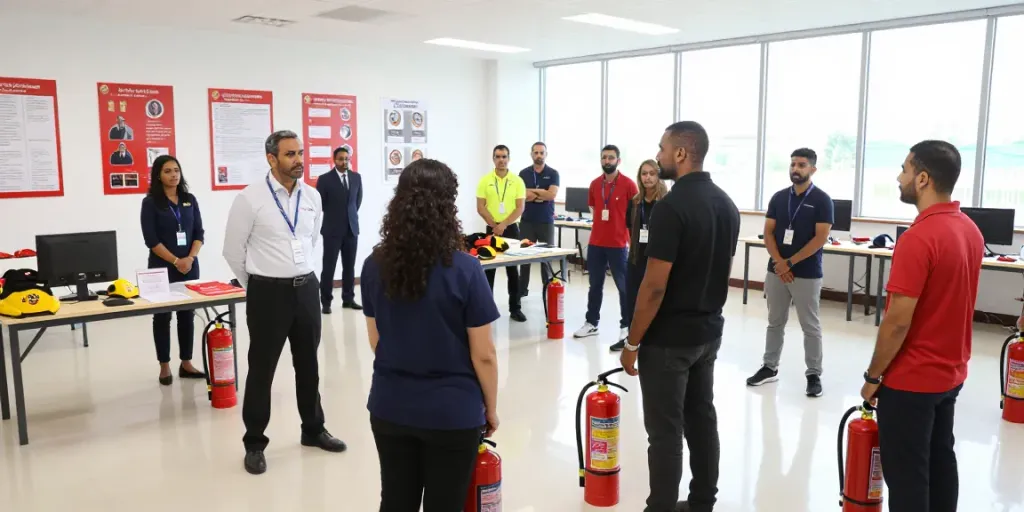
Understanding HSE Training Programs in Saudi Arabia
In a rapidly evolving global landscape, organizations across various industries in Saudi Arabia recognize the imperative need for robust Health, Safety, and Environmental (HSE) training programs. These programs not only ensure compliance with local regulations but also enhance workplace safety and efficiency. As businesses strive to keep up with international standards, the demand for quality training providers has surged. When exploring options, Training Institute Saudi Arabia stands out as a key player in delivering comprehensive HSE training solutions to meet these needs.
What is HSE Training?
HSE training encompasses a range of educational programs aimed at equipping employees with the knowledge and skills necessary to identify hazards, assess risks, and implement effective safety measures in the workplace. The goal is to cultivate a culture of safety that minimizes accidents and promotes environmental stewardship. HSE training covers various topics, including regulatory compliance, emergency response protocols, risk assessment, and sustainable practices. This training is essential for industries such as oil and gas, construction, manufacturing, and healthcare, where safety risks are prevalent.
Importance of HSE Training in Various Industries
In Saudi Arabia, industries such as oil and gas, construction, and manufacturing face unique safety challenges that necessitate specialized training. HSE training is crucial for the following reasons:
- Regulatory Compliance: Adhering to local and international regulations helps prevent legal issues and fines.
- Workplace Safety: Training reduces workplace incidents, ensuring the safety of employees and stakeholders.
- Employee Engagement: Providing HSE training fosters a sense of responsibility among employees, as they feel empowered to contribute to a safer work environment.
- Reputation Management: Companies known for prioritizing safety enhance their reputation, attracting clients and partners.
- Cost Savings: Reducing workplace accidents leads to lower insurance premiums and reduces costs associated with incident management.
Overview of Training Institute Saudi Arabia Options
Numerous institutes across Saudi Arabia offer HSE training, each with its specialized courses and certifications. The offerings range from foundational courses to advanced diplomas recognized internationally. The National Fire Protection Association (NFPA) and ProQual (UK) certifications are among the most esteemed qualifications available through these institutes, ensuring that professionals are well-equipped to handle safety challenges in their respective sectors.
Cost Structure of HSE Training Courses
Direct Costs: Course Fees and Materials
The direct costs associated with HSE training courses encompass tuition fees, materials, and any additional expenses related to course participation. Course fees can vary significantly based on the level of certification and duration of the training. For example, while introductory courses may cost a few hundred riyals, advanced certifications such as the ProQual Level 6 Diploma in Occupational Health and Safety Practice may require a more substantial investment.
Indirect Costs: Time and Travel Expenses
Indirect costs also play a crucial role in the overall financial commitment of HSE training. Employees must allocate time away from their regular duties to attend courses, and companies may incur travel expenses if the training location is not local. Considering these factors is essential when budgeting for HSE training initiatives.
Financial Assistance and Discounts Available
Many training institutes offer financial assistance or discounts for group bookings, which can significantly lower the overall costs for organizations looking to train multiple employees. Furthermore, some institutes have partnerships with government entities that may provide subsidies or funding for HSE training programs, making them more accessible for small to medium-sized enterprises.
Key HSE Certifications Offered
National Fire Protection Association (NFPA) Certification
The NFPA Certification is essential for professionals involved in fire safety and prevention. This certification equips employees with the knowledge to identify fire hazards and implement preventive measures, critical in high-risk environments like oil and gas and manufacturing. Institutions offering NFPA training typically provide a comprehensive curriculum that includes hands-on training and assessments to ensure the practical application of safety protocols.
IOSH and NEBOSH Certifications Overview
IOSH (Institution of Occupational Safety and Health) and NEBOSH (National Examination Board in Occupational Safety and Health) certifications are highly regarded in the HSE field. IOSH Managing Safely is often the first step for individuals looking to establish a career in health and safety, whereas NEBOSH qualifications are recognized internationally as a benchmark for HSE knowledge and expertise. Both certifications cover a wide range of topics, including risk management and legal compliance, making them invaluable for career advancement.
ProQual Diplomas in Health and Safety Management
ProQual diplomas, such as the Level 6 Diploma in Occupational Health and Safety Practice and the Level 7 Diploma in Strategic Health and Safety Leadership and Management, are designed for professionals seeking to deepen their expertise in health and safety management. These comprehensive courses focus on strategic approaches to safety and create leaders who can implement effective HSE policies within their organizations.
Real-World Applications of HSE Training
Case Studies: Success Stories from Local Industries
Several organizations in Saudi Arabia have successfully integrated HSE training into their operations, resulting in improved safety performance and reduced incidents. For instance, a major oil company that implemented a comprehensive HSE training program saw a 40% reduction in workplace accidents within the first year. This not only enhanced employee safety but also led to significant financial savings for the company.
Challenges Faced by Corporations Without Proper Training
Corporations lacking robust HSE training programs face numerous challenges, including increased workplace accidents, regulatory penalties, and damage to their reputation. For example, a construction firm that neglected HSE training faced substantial fines after a serious incident on-site, highlighting the financial and operational risks associated with inadequate training.
Best Practices for Implementing Safety Training
To maximize the effectiveness of HSE training, organizations should consider the following best practices:
- Needs Assessment: Conduct a thorough assessment to determine specific training needs within the organization.
- Engagement: Involve employees in the training process to foster a culture of safety.
- Continuous Learning: Implement ongoing training and refresher courses to keep employees updated on the latest safety practices and regulations.
- Feedback Mechanism: Establish a system for employees to provide feedback on training effectiveness and areas for improvement.
Future Trends in HSE Training for 2026
Adapting to Technological Advancements in Training
The future of HSE training will increasingly leverage technology, such as virtual reality (VR) and augmented reality (AR), to provide immersive training experiences. These technologies allow employees to engage in realistic simulations of hazardous situations, enhancing their preparedness for real-world challenges. Additionally, e-learning platforms and mobile training solutions are becoming more prevalent, making it easier for employees to access training materials anytime, anywhere.
Regulatory Changes Impacting HSE Standards
As regulations evolve, training programs must adapt accordingly. For instance, the adoption of new safety standards or amendments to existing legislation may require immediate updates to training curricula. Training institutes must remain vigilant and proactive to ensure their programs align with the latest regulatory developments, thus ensuring compliance for their clients.
Predictions for Skills Gaps in the Workforce
As industries evolve, certain skills gaps are likely to emerge within the workforce. The increasing complexity of safety regulations and the demand for sustainable practices will require professionals with specialized training in these areas. HSE training programs will need to evolve to address these gaps, ensuring that future workers are adequately prepared for the challenges they will face in the workplace.
What are the benefits of HSE training for employees?
HSE training offers numerous benefits for employees, including enhanced job security, improved safety knowledge, and the ability to contribute positively to the workplace environment. Moreover, employees who receive training are often more engaged and take greater ownership of safety initiatives, leading to a more proactive safety culture.
How much can I expect to pay for HSE courses in Saudi Arabia?
The cost of HSE courses in Saudi Arabia can vary widely depending on the program's level and duration. Introductory courses may start at around SAR 1,000, while advanced qualifications such as ProQual diplomas can exceed SAR 5,000. Organizations should assess their budget and training needs to determine the most suitable options.
Are online HSE certifications recognized in Saudi Arabia?
Yes, many online HSE certifications are recognized in Saudi Arabia, provided they are offered by reputable training institutes and align with international standards. It is essential for professionals to verify the accreditation status of online courses before enrolling.
What industries benefit the most from HSE training?
Industries such as construction, oil and gas, healthcare, and manufacturing benefit significantly from HSE training due to the inherent risks associated with their operations. However, all sectors can improve their safety performance through tailored HSE training programs.
How do I choose the right training institute for HSE certification?
When choosing a training institute for HSE certification, consider factors such as the institute's accreditation, course offerings, instructor qualifications, and feedback from past participants. Additionally, reviewing the institute's track record in delivering effective training can help you make an informed decision.