Understanding DPF Regeneration: What You Need to Know
Diesel engines are renowned for their efficiency and power, but they also produce harmful emissions, which is where Diesel Particulate Filters (DPFs) come into play. DPF regeneration is a crucial process that helps maintain engine performance and reduce environmental impact. This article delves into the ins and outs of DPF regeneration, the various types of regeneration processes, and why it is vital for the longevity of diesel vehicles. By understanding these concepts, you can take proactive steps in maintaining your diesel engine and ensuring it runs smoothly for years to come. When exploring options, dpf regeneration provides comprehensive insights that can be invaluable for diesel vehicle owners.
What is DPF Regeneration?
DPF regeneration refers to the process by which accumulated soot and particulate matter collected in the DPF are burned off to prevent clogging. This process is essential to maintain optimal engine performance and reduce harmful emissions. Diesel Particulate Filters trap these soot particles during combustion, and over time, these particles must be removed through regeneration. There are different types of regeneration processes, which we will explore further in this article.
Types of DPF Regeneration Processes
DPF regeneration can be categorized primarily into three types: passive, active, and manual regeneration.
- Passive Regeneration: This occurs naturally when the vehicle runs at high temperatures, typically over 50 mph. During this state, enough heat is produced to burn off the soot accumulated in the filter.
- Active Regeneration: When the DPF becomes clogged and passive regeneration is not sufficient, the engine management system triggers active regeneration. This involves injecting fuel into the exhaust stream to create additional heat, enabling the soot to combust.
- Manual Regeneration: In certain scenarios, particularly when the vehicle is used for short trips or idling, manual regeneration is required. This can be initiated through diagnostic tools or mechanics to ensure the filter is cleaned effectively.
Importance of DPF Regeneration in Diesel Engines
DPF regeneration is critical for several reasons:
- Emission Control: Properly functioning DPFs minimize harmful emissions, helping vehicles comply with environmental regulations.
- Engine Performance: A clogged DPF can result in increased back pressure, which impacts engine performance, fuel efficiency, and overall drivability.
- Longevity of Components: Ensuring that the DPF is regularly cleaned can extend the lifespan of both the filter and the diesel engine.
Common Challenges and Misconceptions about DPF Regeneration
Why DPFs Get Clogged
DPFs can become clogged for various reasons. One of the most common causes is the type of driving. Vehicles that are primarily driven short distances, where the engine doesn’t reach optimal temperatures, are prone to soot buildup. This can also apply to vehicles used mainly in stop-and-go traffic.
Debunking Myths Surrounding DPF Maintenance
There are many misconceptions about DPF maintenance. Some believe using additives or fuel treatments can eliminate the need for DPF regeneration—this is not true. While these products can help improve overall engine combustion, they do not replace the necessary regeneration processes. Additionally, many drivers think that if the DPF warning light isn't on, their filter must be fine, which is misleading. Regular maintenance is essential regardless of warning indicators.
Understanding DPF Regeneration Warning Lights
Your diesel vehicle is equipped with warning lights on the dashboard that indicate the status of the DPF. If the warning light illuminates, it means that the DPF is nearing capacity and requires immediate attention through one of the regeneration processes discussed earlier. Ignoring these signals can lead to severe engine complications, including increased repair costs.
Best Practices for DPF Maintenance and Regeneration
When to Perform DPF Regeneration
It is advisable to perform DPF regeneration under specific conditions:
- When the DPF warning light illuminates in the vehicle.
- If the vehicle is primarily used for short trips, a manual or active regeneration may be required more frequently.
- After long periods of idling, which can cause soot build-up.
Tools and Equipment for Effective DPF Care
Investing in the right tools can greatly assist in DPF maintenance:
- Diagnostic Scanners: These devices can read DPF data and assist in initiating manual regeneration when necessary.
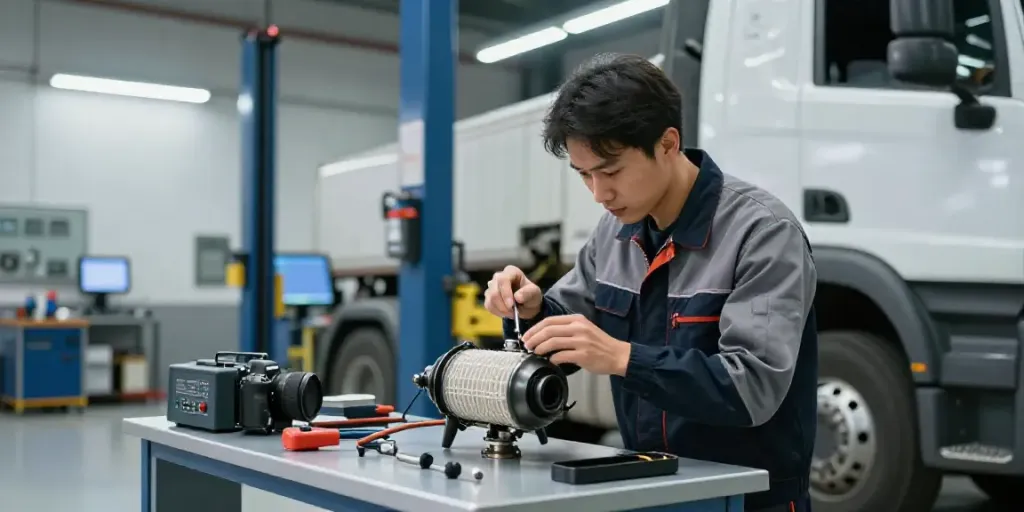
- Cleaning Equipment: Specialized cleaning devices can be used for a thorough DPF cleansing, especially for heavy soot deposits.
- Fuel Additives: While they don’t replace regeneration, certain additives can improve combustion efficiency, helping minimize soot production.
Key Performance Metrics to Monitor
Monitoring specific metrics can provide critical insights into the health of your DPF:
- DPF Differential Pressure: This measures the pressure differential between the inlet and outlet of the DPF. An increase indicates a potential blockage.
- Soot Load: Understanding the level of soot accumulation can help determine when regeneration is necessary.
- Regeneration Frequency: Keeping track of how often regeneration occurs can help you gauge your driving habits and the appropriateness of your vehicle's maintenance routine.
Step-by-Step Guide to Performing DPF Regeneration
Preparing Your Vehicle for DPF Cleaning
Before initiating a DPF regeneration process, ensure the vehicle is parked on a flat surface with the engine at operating temperature. This will facilitate more effective soot cleaning and prevent the system from shutting down prematurely.
Manual vs. Automatic DPF Regeneration
Understanding the distinction between manual and automatic regeneration is crucial:
- Automatic Regeneration: This process often occurs without the driver’s intervention during regular driving conditions.
- Manual Regeneration: This requires driver engagement and typically needs diagnostic tools to initiate. This is necessary when the DPF is excessively clogged.
Post-Regeneration Maintenance Tips
After performing regeneration, follow these maintenance tips to keep your DPF in optimal condition:
- Monitor the DPF warning lights closely for any signs of recurring issues.
- Maintain regular servicing intervals to ensure all engine components are functioning correctly.
- Keep clear records of all regeneration activities to identify patterns over time.
The Future of DPF Technology and Maintenance Trends
Emerging Technologies in Diesel Aftertreatment
The future of DPF technology looks promising, with advancements focusing on enhancing efficiency and performance. Innovations such as improved fuel injection systems and advanced computer controls are being developed to optimize combustion and minimize soot production.
Predictions for DPF Solutions in 2026 and Beyond
By 2026, we can expect to see more integrated solutions for DPF systems, including smart diagnostics that automatically adjust regeneration frequency based on driving conditions and real-time analytics.
Impact of Regulatory Changes on DPF Maintenance
As emission regulations become more stringent, the importance of DPF maintenance will only increase. Vehicle manufacturers will likely respond by developing more efficient filtering systems and promoting technologies that help ensure compliance without sacrificing performance.
How do I regenerate my DPF?
To manually regenerate your DPF, connect a diagnostic scanner to the vehicle, select the regeneration option, and follow the on-screen instructions. Always ensure the vehicle is in a safe location and closely monitor the process.
Can I drive during DPF regeneration?
Driving during an active DPF regeneration is generally safe and sometimes necessary. However, avoid high-speed driving until the process is complete to prevent any potential issues.
Can you unblock a DPF yourself?
While there are methods for cleaning a DPF yourself, such as using cleaning solutions, it is often best to consult with a professional. They can ensure the filter is cleaned without causing damage.
How long should DPF regen take?
The duration of DPF regeneration can vary significantly. Active regeneration can take anywhere from 20 to 40 minutes, while manual regeneration may take longer depending on the level of soot deposited.
What tools are essential for DPF regeneration?
Essential tools for effective DPF regeneration include diagnostic scanners, cleaning equipment, and a reliable source of fuel additives designed to improve combustion efficiency.