Understanding Lung Cancer
Lung cancer is a significant health challenge globally, posing considerable threats to public health due to its high incidence and mortality rates. In Abu Dhabi, the need for effective lung cancer diagnosis and treatment has never been more critical, particularly as awareness of its symptoms and risk factors continues to evolve. The Cleveland Clinic Abu Dhabi offers comprehensive services focused on lung cancer, making it an essential resource for patients in the region. When exploring options, Lung cancer hospital in Abu Dhabi provides comprehensive insights into both prevention and treatment.
What is Lung Cancer?
Lung cancer occurs when abnormal cells in the lungs grow uncontrollably, forming tumors that can disrupt normal lung function and spread to other parts of the body. It is categorized into two main types: small cell lung cancer (SCLC) and non-small cell lung cancer (NSCLC). Understanding the differences between these types is crucial for determining appropriate treatment strategies.
Types of Lung Cancer: NSCLC and SCLC
Non-small cell lung cancer (NSCLC) accounts for approximately 85% of all lung cancer cases. NSCLC is further classified into several subtypes, including adenocarcinoma, squamous cell carcinoma, and large cell carcinoma. In contrast, small cell lung cancer (SCLC), though less common, is more aggressive and typically associated with smoking. Early detection and tailored treatments for these distinct types are vital for improving patient outcomes.
Global and Local Statistics on Lung Cancer
Globally, lung cancer remains the leading cause of cancer-related deaths, with millions of new cases diagnosed each year. Locally, the UAE has reported alarming statistics, with lung cancer being one of the most prevalent types in the region. Understanding the scale of the issue helps emphasize the necessity for effective screening and treatment options available in Abu Dhabi.
Importance of Early Detection
Early detection is key to improving survival rates and treatment outcomes for lung cancer patients. Symptoms can be subtle and may not arise until the cancer has progressed significantly. Therefore, awareness of early warning signs and the implementation of regular screening protocols are integral components of lung cancer management.
How to Recognize Symptoms Early
Common symptoms of lung cancer include persistent cough, chest pain, shortness of breath, and unexplained weight loss. However, many of these symptoms can also be attributed to less serious conditions, making it essential for individuals at higher risk, especially smokers, to undergo regular medical check-ups.
Screening Options Available in Abu Dhabi
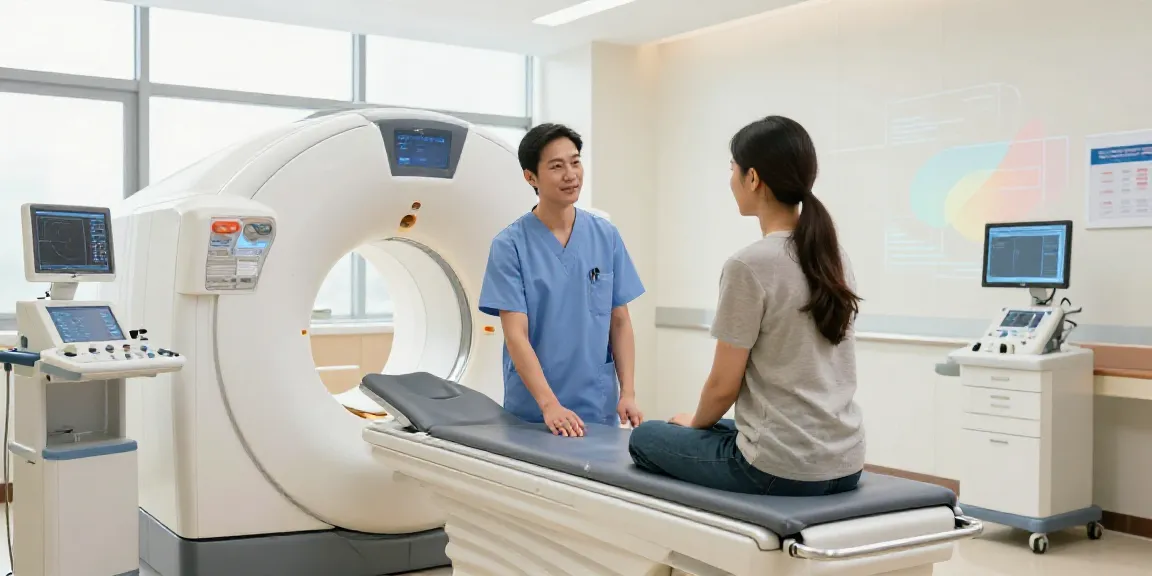
The Cleveland Clinic Abu Dhabi offers state-of-the-art lung cancer screening services, including low-dose computed tomography (LDCT) scans. These non-invasive imaging tests can detect lung cancer at its earliest stages, significantly enhancing the chances of successful treatment.
Risk Factors for Lung Cancer
Several factors contribute to an individual's risk of developing lung cancer. Smoking remains the most significant risk factor, accounting for approximately 90% of lung cancer cases. Other factors include exposure to secondhand smoke, environmental pollutants, and a family history of the disease. Understanding these risks can inform preventive health strategies.
Comprehensive Treatment Options
Once lung cancer is diagnosed, a comprehensive treatment plan tailored to the type and stage of cancer is crucial. Treatment options include surgical and non-surgical approaches, combining the latest medical advancements to ensure optimal care.
Surgical Treatments for Lung Cancer
Surgery is often a primary treatment modality for lung cancer and may involve techniques such as lobectomy, pneumonectomy, or wedge resection. Minimally invasive surgical options, including video-assisted thoracoscopic surgery (VATS), offer benefits such as shorter recovery times and reduced postoperative discomfort.
Non-Surgical Therapy Approaches
In addition to surgery, lung cancer treatment may involve chemotherapy, radiation therapy, targeted therapy, and immunotherapy. These non-surgical options can be effective in shrinking tumors, particularly when surgery is not feasible or in cases of advanced disease.
Innovative Technologies in Lung Cancer Treatment
The integration of innovative technologies in lung cancer treatment, such as robotic surgery and precision medicine, is transforming patient care. These advancements allow for more precise interventions, maximizing treatment efficacy while minimizing side effects.
Multidisciplinary Care Approach
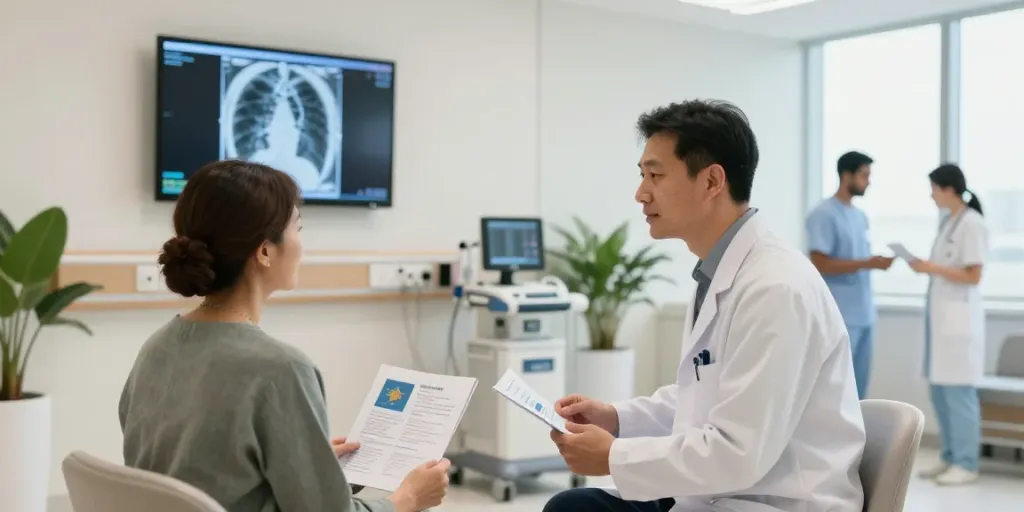
The complexity of lung cancer requires a multidisciplinary approach to care. At Cleveland Clinic Abu Dhabi, a collaborative team of specialists works together to ensure that every aspect of a patient's treatment is addressed.
Role of Oncologists, Surgeons, and Support Staff
The lung cancer care team comprises oncologists, thoracic surgeons, radiologists, pathologists, and nursing staff who collaborate closely to devise individualized treatment plans. This coordinated approach is crucial for tackling the various challenges posed by lung cancer.
Collaboration with Cleveland Clinic US Specialists
To enhance treatment strategies, Cleveland Clinic Abu Dhabi frequently collaborates with specialists from its US counterpart. This partnership ensures that the latest research findings and treatment protocols are integrated into patient care, thereby providing the best possible outcomes.
Patient Support Services and Resources
Beyond medical treatment, patient support services are essential. Cleveland Clinic Abu Dhabi offers resources such as nutritional counseling, palliative care, and psychological support to address the comprehensive needs of lung cancer patients and their families.
Patient Stories and Experiences
Real-life experiences from lung cancer survivors can provide hope and inspiration for those facing similar challenges. These personal accounts highlight the importance of early detection, timely treatment, and the extensive support available.
Real-Life Experiences of Lung Cancer Survivors
Survivors often share how early diagnosis and effective treatment played crucial roles in their recovery journeys. Their stories underscore the importance of being proactive in health management, especially for high-risk individuals.
Patient-Centered Care at Cleveland Clinic Abu Dhabi
At Cleveland Clinic Abu Dhabi, patient-centered care is paramount. This approach ensures that patients are not just treated for their illness but are supported holistically, encompassing their emotional, psychological, and social well-being.
How to Get Involved: Support and Advocacy
Advocating for lung cancer awareness and supporting research initiatives can significantly impact the community. Patients and their families can get involved by participating in local events, fundraising for research, and raising awareness about lung cancer prevention and treatments.