Understanding Attractiveness: The Science Behind First Impressions
Attractiveness is often perceived as a universal quality, yet it carries a myriad of unique interpretations influenced by cultural, psychological, and individual factors. To navigate this complex landscape, tools such as the attractiveness test have emerged, providing insights into how we view ourselves and others. Understanding the dynamics of attractiveness is essential for anyone interested in enhancing personal appeal, whether for social interactions, career advancement, or self-confidence.
What is the Attractiveness Test?
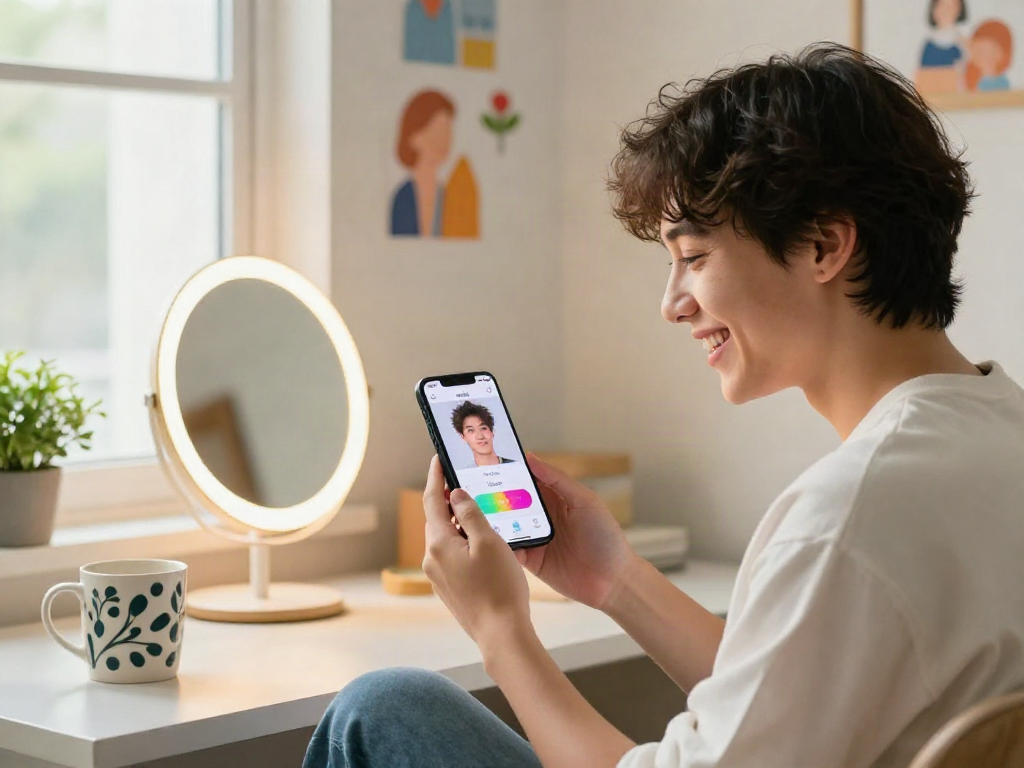
The attractiveness test is a digital tool designed to evaluate facial features and provide a score based on various aesthetic criteria. These tests typically utilize AI algorithms to assess qualities such as facial symmetry, the golden ratio, and other metrics that have been scientifically linked to beauty. Users upload their photos, and the system analyzes multiple landmarks on the face to render an attractiveness score.
Psychological Factors Influencing Attractiveness
Attractiveness is not solely a matter of physical beauty; psychological components play a significant role. Factors such as personality, confidence, and social behavior can greatly influence how appealing someone is perceived to be. Research indicates that individuals exuding confidence are often regarded as more attractive, regardless of their physical characteristics.
Measuring Attractiveness: Facial Symmetry and Golden Ratio
Facial symmetry is one of the most pivotal aspects in attractiveness assessments. Studies have shown that symmetrical faces are often perceived as more appealing. The golden ratio, a mathematical proportion, also serves as a visual standard for beauty, guiding artists and architects for centuries. These principles are fundamental in the algorithms utilized by attractiveness tests, which aim to create an objective measure of aesthetic appeal.
How the Attractiveness Test Works: Step-by-Step Guide
Understanding how to take an attractiveness test can empower individuals to gain valuable insights about their appearance and its impact on personal and social interactions. Here's a step-by-step guide to help you make the most of this experience.
Choosing the Right Photo for Accurate Results
The first step in obtaining accurate results from an attractiveness test is selecting the right photo. It's crucial to choose a high-resolution image taken in natural lighting, with a neutral expression. Avoid photos with heavy filters or alterations, as the algorithms rely on precise facial landmarks to calculate your score.
Understanding AI Algorithms in Attractiveness Testing
The backbone of attractiveness testing lies in sophisticated AI algorithms that analyze various facial features. These algorithms evaluate parameters like bilateral symmetry and proportional balance by mapping facial landmarks, providing a comprehensive analysis that is both quick and informative.
Interpreting Your Attractiveness Score: What It Means
Once the test is completed, users receive a score that ranges from 1 to 10, along with detailed feedback on various aspects of their facial structure. It's important to interpret these results with an open mind, as they serve as feedback rather than definitive judgments of worth or value. Understanding this feedback can help in areas such as personal grooming and style choices.
Benefits of Taking an Attractiveness Test
Embracing an attractiveness test offers a range of benefits that extend beyond mere curiosity. From boosting self-esteem to aiding in personal development, these tests can be instrumental in enhancing one's social life.
Boosting Self-Confidence Through Feedback
The feedback provided by an attractiveness test can significantly elevate self-confidence. Many individuals discover aspects of their appearance that they may not have appreciated previously. Positive reinforcement from the test results can motivate users to embrace their unique features.
Using Results for Personal Development and Style Choices
Results from attractiveness tests can guide personal development efforts. For instance, receiving feedback about facial proportions may encourage individuals to explore hairstyles or makeup techniques that complement their features, ultimately leading to a more cohesive personal style.
Enhancing Social Interactions and Networking Opportunities
In today’s digital age, first impressions matter more than ever. An improved understanding of one’s attractiveness can enhance social interactions, making it easier to forge connections and networking opportunities. With increased confidence, individuals may find it easier to engage in social settings, thus enhancing their interpersonal relationships.
Common Misconceptions About Attractiveness Tests
Despite the growing popularity of attractiveness tests, misconceptions persist about their reliability and impact. Addressing these misconceptions is vital for potential users.
Are Attractiveness Tests Objective or Subjective?
One common misconception is that attractiveness tests are entirely objective. While they employ structured methodologies and algorithms, human perception of beauty remains subjective. Cultural and personal tastes can vary significantly, meaning that scores should be viewed as guidelines rather than definitive truths.
Debunking Myths: Does Attractiveness Impact Success?
Another prevalent myth is the belief that attractiveness guarantees success. While studies indicate that attractive individuals may receive certain advantages, factors such as skill, work ethic, and character play crucial roles in achieving success. Attractiveness can open doors, but it does not ensure success on its own.
Addressing Concerns About AI Evaluations
Concerns about the accuracy of AI evaluations in attractiveness tests are understandable. It's important to remember that while AI can process facial features based on established scientific standards, it does not account for the emotive or social contexts within which beauty operates. Therefore, the results should be one aspect of a broader self-assessment.
The Future of Attractiveness Testing: Trends to Watch in 2026
The landscape of attractiveness testing is poised for innovation, driven by advances in technology and evolving social perceptions. Here are some upcoming trends to anticipate.
Emerging Technologies in Attractiveness Assessments
As technology advances, so will the methodologies behind attractiveness tests. Future applications may incorporate augmented reality (AR) and virtual reality (VR) to provide immersive experiences, allowing users to visualize hypothetical modifications to their appearance in real-time.
The Role of Social Media in Attractiveness Perception
Social media continues to play a poignant role in shaping perceptions of attractiveness. Platforms that utilize filters and beauty-enhancing features can skew reality and influence public standards of beauty. As these trends evolve, attractiveness tests may adapt to account for the societal pressures fostered by social media representations.
Predictions for Attractiveness Trends in Social Interactions
Looking toward 2026, we may see a shift in how attractiveness impacts social interactions. With increasing acceptance of diverse beauty standards, traditional notions of attractiveness might expand to embrace a wider array of features. This evolution could foster a more inclusive society where confidence and personality take precedence over strict aesthetic measures.
What methods are used in attractiveness testing?
Attractiveness tests commonly utilize AI-driven facial recognition technologies to evaluate various attributes, such as symmetry, skin tone, and facial ratios. By assessing these features against established beauty standards, the tests provide users with a comprehensive analysis of their facial attractiveness.
Can attractiveness tests improve self-esteem?
Yes, attractiveness tests can potentially improve self-esteem. By providing constructive feedback and highlighting positive features, they can encourage users to adopt a more positive self-image, leading to enhanced confidence in social interactions.
What are the limitations of AI in attractiveness assessments?
While AI can analyze structural beauty, it lacks the ability to understand emotional intelligence or the impact of personality traits on attractiveness. Additionally, cultural variations in beauty standards can lead to biases in AI programming, meaning results may not resonate universally.
How can I prepare for an attractiveness test?
To prepare for an attractiveness test, ensure you have a high-quality photograph that meets the test's guidelines. Consider what you hope to learn from the experience, and approach it with an open mind, ready to engage with the feedback constructively.
What future trends will influence attractiveness perceptions?
Future trends influencing attractiveness perceptions include the continuous evolution of beauty standards driven by social media, technological innovations in testing methods, and a growing emphasis on individuality and personality as critical components of attractiveness.