Understanding Facial Age Estimation
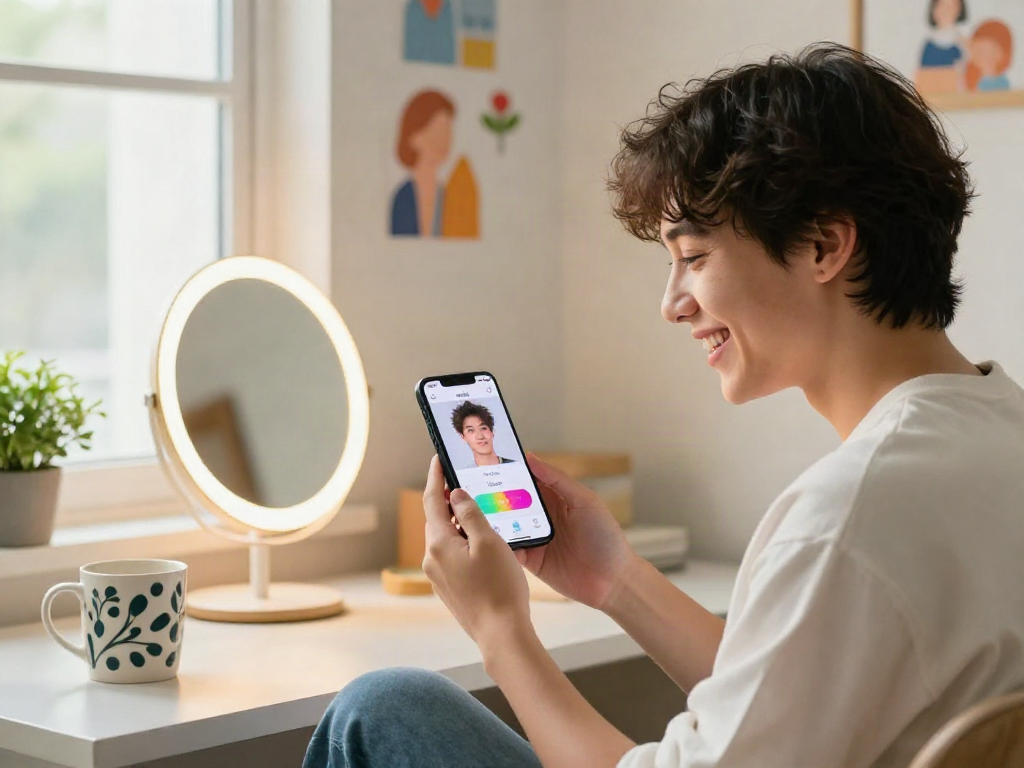
Facial age estimation is an intriguing area of technology that combines advanced algorithms with human biology to determine how old a person appears based on their facial features. This technological innovation has gained significant traction in recent years, fueled by the availability of sophisticated AI tools capable of remarkably accurate predictions. When exploring options, how old do I look platforms provide comprehensive insights, allowing users to engage with their age perception in novel ways.
What is Facial Age Estimation?
Facial age estimation involves utilizing algorithms to analyze facial characteristics such as wrinkles, skin texture, and other markers of aging to predict a person's biological age. Unlike chronological age, which simply counts the years since birth, biological age accounts for how one’s body has aged based on various factors including genetics, lifestyle, and environmental influences. This technology primarily relies on machine learning models trained on large datasets of facial images representing different ages and demographics.
How Accurate Are Age Prediction Apps?
The accuracy of age prediction apps can vary widely based on the underlying technology and the quality of the datasets they use. Leading applications often report accuracy levels around 70-90%, depending on the diversity of data they are trained on. However, it is essential for users to approach these results with some skepticism, as factors like lighting, photo quality, and facial expressions can influence the outcome. Additionally, age perception can differ culturally, meaning that the same wrinkles might signal different ages in various societal contexts.
Technology Behind Age Estimation
At the heart of age estimation technology lies deep learning, a subset of machine learning that uses neural networks to process complex data. These models are trained on millions of images, learning to identify patterns that correlate with age. Innovations such as convolutional neural networks (CNNs) enhance these applications' capabilities, enabling them to achieve higher accuracy rates. Furthermore, advances in computer vision and image processing continue to improve the reliability of these estimations, allowing for real-time age prediction even through smartphone cameras.
Benefits of Knowing Your Facial Age
Boosting Confidence Through Age Awareness
Many people find that understanding how they are perceived in terms of age can significantly boost their self-esteem. Whether users discover they look younger than their actual age or see a need to adjust their skincare regimen, these insights can encourage positive changes. Knowledge about one’s facial age can motivate individuals to adopt healthier habits, explore cosmetic options, or simply embrace their natural aging process.
Understanding Skin Aging and Care
Facial age estimators facilitate a deeper understanding of skin aging, helping users to identify specific areas requiring attention. For example, if an individual is informed that their skin appears older due to lack of hydration or sun damage, they may be inclined to invest in better skincare products or routine changes. This proactive approach not only helps enhance physical appearance but also contributes to overall skin health.
Fun Social Interactions: Sharing Age Estimates
Using age estimation tools can also be a source of fun and entertainment. Social media is filled with challenges and trends that encourage users to share their age estimates, creating opportunities for interaction and engagement. Sharing results with friends can lead to lighthearted conversations about aging and beauty, further demystifying the aging process and promoting a communal approach to facing age-related concerns.
Top Apps to Estimate How Old Do I Look
Feature Comparison of Leading Age Estimation Tools
Several applications dominate the age estimation landscape, each boasting unique features that cater to different user preferences. For instance, FaceAge.ai offers a highly rated interface that prioritizes user privacy, while Fotor’s age guesser is praised for its ease of use with no signup required. Each app’s technological backbone varies, impacting both user experience and accuracy, allowing users to choose the one that best fits their needs.
User Reviews and Experiences
User feedback is invaluable when selecting an age estimation app. Reviews often highlight aspects such as accuracy, interface design, and overall engagement. Some users may report discrepancies between their actual and estimated age, prompting them to explore what factors contribute to these differences. A closer look at user experiences reveals a wealth of information that can guide potential users in their choice of app.
Best Practices for Using Age Apps Effectively
To maximize the effectiveness of age estimation apps, users should consider several best practices. Firstly, using clear, well-lit photos can significantly enhance accuracy. Secondly, users should familiarize themselves with the app’s technology to understand its limitations and strengths better. Finally, incorporating the feedback into a broader skincare or lifestyle plan may yield the most beneficial outcomes, using age estimates as motivation rather than an absolute measure.
Addressing Common Misconceptions
Myths About Facial Aging and Technology
Several myths surround facial aging and the reliability of technology. One common misconception is that these apps can provide definitive results, when in reality, they offer estimates based on algorithms. Understanding that technology is not infallible is crucial for users to avoid over-reliance on these results.
Understanding Age Discrepancies in Predictions
Age discrepancies in predictions can arise from multiple factors, including ethnic background, lifestyle, and stress levels. For instance, individuals from different cultural backgrounds may display aging signs differently, leading to variations in app predictions. Users should be aware of these nuances to foster a better appreciation of their unique biological aging process.
Limitations of AI in Age Estimation
While AI has made remarkable strides in age estimation, it is not without limitations. For example, the algorithms may not fully account for the effects of various environmental factors or medical conditions that can influence aging. Additionally, the technology relies on the quality of training data, and biased datasets can lead to skewed results, ultimately affecting an app's reliability.
Future Trends in Facial Age Estimation
Innovations in AI and Machine Learning for Age Detection
The future of facial age estimation is likely to be shaped by continuous innovations in AI and machine learning. As researchers develop more sophisticated algorithms and as hardware capabilities improve, we can expect even more accurate estimates and personalized feedback based on individual users’ data. Innovations such as augmented reality (AR) may eventually allow users to visualize their future selves based on current age trends.
The Role of User Data in Improving Accuracy
User data will play a pivotal role in refining age estimation technology. As users engage more with these applications, the data collected can help improve algorithmic predictions, ensuring that results are increasingly reliable over time. Ethical considerations around data privacy will be essential as developers navigate the balance between improving technology and ensuring user trust.
Predictions for Age Estimation Apps in 2026 and Beyond
Looking ahead to 2026, we anticipate that facial age estimation apps will not only become more widespread but also more integrated into users' daily lives. Enhanced features such as live facial analysis during video calls or in-person interactions may emerge, offering real-time age assessments. Furthermore, as societal attitudes shift toward aging gracefully, these tools may be used as a means of celebration rather than a source of anxiety.
What Age Do I Look Compared to My Actual Age?
Understanding how old you appear compared to your actual age can offer a fresh perspective on your aging journey. This insight can foster a greater appreciation for the aging process, encouraging users to embrace their unique attributes and celebrate their individuality.
Are Age Estimation Apps Safe to Use?
Generally, age estimation apps are designed with user safety and privacy in mind. However, it is always prudent for users to examine the app’s privacy policy and data handling practices before use. This scrutiny can help alleviate concerns about image security and personal data misuse.
Can I Trust the Age Prediction Results?
Trust in age prediction results hinges on understanding the technology’s capabilities and limitations. While many apps deliver remarkably close estimates, users should maintain a healthy skepticism towards the results, viewing them as fun insights rather than absolute truths.
What Factors Influence My Appearance Age?
A myriad of factors can influence one’s appearance age, including genetics, diet, skincare routine, and environmental exposure. Lifestyle choices such as smoking, sun exposure, and hydration levels also significantly impact how old one looks. By addressing these factors, individuals can work towards a more youthful appearance.
How to Maintain a Youthful Appearance?
To maintain a youthful appearance, individuals can adopt comprehensive skincare routines, stay hydrated, eat balanced diets rich in antioxidants, and protect their skin from sun damage. Regular exercise and adequate sleep also play crucial roles in how one's skin ages, emphasizing the need for a holistic approach to wellness.