Understanding Precision CNC Machining
Precision CNC machining is a cutting-edge technology that has transformed the manufacturing landscape. By utilizing computer numerical control (CNC) systems, manufacturers can produce highly intricate and precise components that meet stringent quality standards. This process not only enhances efficiency but also allows for greater customization, making it essential for various industrial applications. As industries evolve, the demand for highly skilled precision cnc machining supplier increases, emphasizing the importance of partnering with the right providers to ensure quality and precision.
What is Precision CNC Machining?
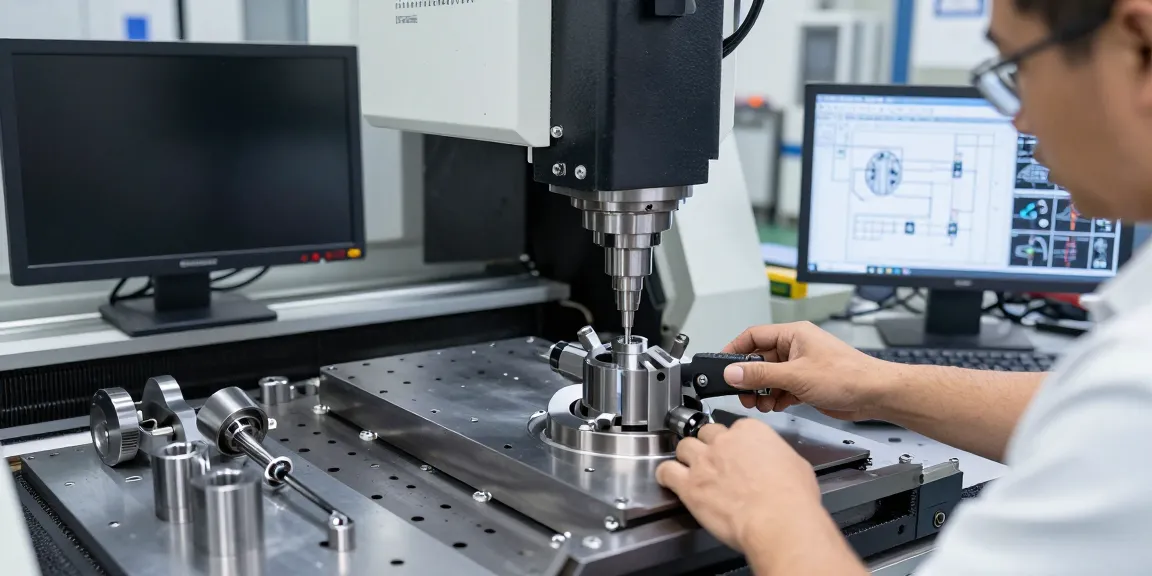
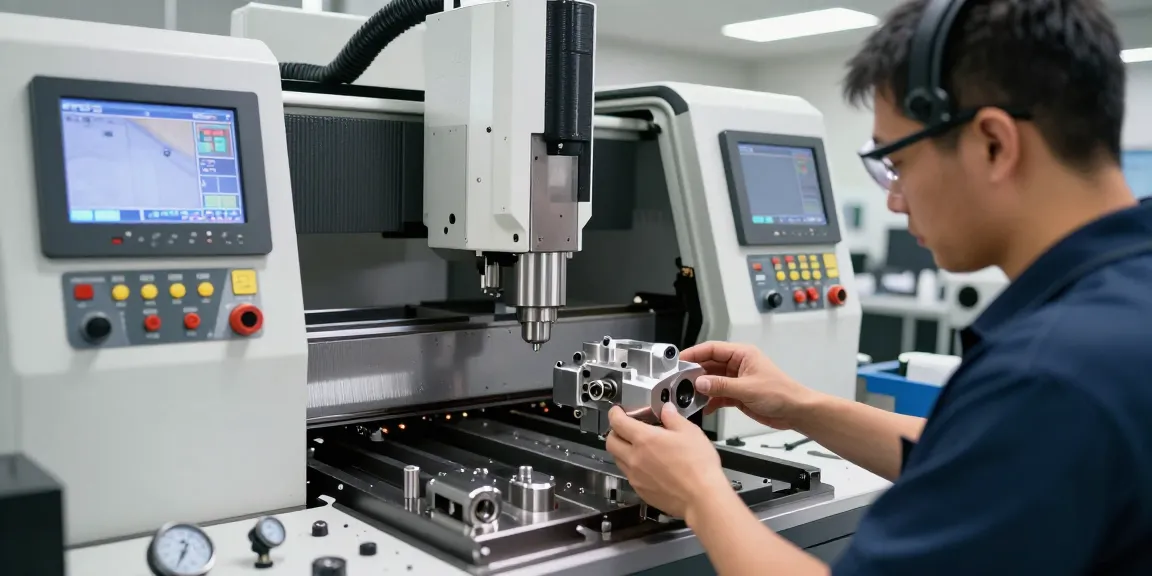
Precision CNC machining refers to the use of computer-controlled machines to perform a wide range of manufacturing processes, including milling, turning, drilling, and grinding. This technology allows manufacturers to create parts with extreme accuracy and repeatability, which is crucial in sectors where tolerances are tight, such as aerospace, automotive, and medical. The CNC machines interpret digital designs and execute instructions with milli-metric precision, ensuring consistency across production runs.
Key Advantages of Precision CNC Machining
- High Precision: CNC machining can achieve tolerances as tight as ±0.001 inches, making it ideal for high-quality applications.
- Repeatability: Once programmed, CNC machines can produce identical parts with no variation, ensuring consistency.
- Complex Geometries: CNC machining can create intricate shapes and features that are often impossible with traditional manufacturing methods.
- Efficiency: Automation reduces production times significantly compared to manual machining, leading to reduced labor costs.
Applications Across Industries
Precision CNC machining is used in a variety of industries. In the aerospace sector, it is critical for manufacturing components that require high reliability and performance. The medical industry relies on precision machining for surgical instruments and implants, where exact specifications are vital for safety and efficacy. The automotive industry benefits from CNC machining for producing parts that meet rigorous safety standards while optimizing performance.
Choosing the Right Precision CNC Machining Supplier
Selecting the right precision CNC machining supplier is pivotal for the success of any manufacturing project. The supplier should not only provide high-quality products but also align with your specific needs and standards. Evaluating potential partners requires a comprehensive understanding of their capabilities, certifications, and overall approach to quality assurance.
Evaluating Supplier Credentials and Certifications
Before entering a partnership, it's essential to assess the supplier's credentials. Look for certifications such as ISO 9001, which indicates a commitment to quality management systems. Depending on the industry, additional certifications may be required, such as AS9100 for aerospace or ISO13485 for medical devices. These credentials provide reassurance that the supplier adheres to industry standards and regulations.
Assessing Technological Capabilities
Not all CNC machining suppliers possess the same technological capabilities. Evaluate their equipment and software to ensure they can handle the specific needs of your project. Advanced CNC machines with multi-axis capabilities can produce more complex parts compared to standard machines. Additionally, inquire about their machining software for efficient production planning and quality control.
Understanding Cost Structures and Pricing Models
When considering a supplier, it is vital to understand their pricing models. Some may offer fixed prices while others may provide quotes based on the complexity of the project or volume of production. Be wary of the cheapest option, as this could compromise quality. Instead, focus on finding a balance between quality, delivery time, and cost.
Best Practices for Engaging with Precision CNC Machining Suppliers
Engaging with a precision CNC machining supplier requires clear communication and strategic planning. Establishing a robust partnership involves several key practices that ensure mutual understanding and objectives are met.
Effective Communication and Project Briefs
Clear communication is the cornerstone of a successful partnership. When initiating a project, provide a detailed project brief that includes specifications, tolerances, materials, and deadlines. Regular check-ins and updates can help to preempt potential issues and keep the project on track.
Establishing Quality Control Measures
Quality control is critical in precision machining. Work with your supplier to develop a quality assurance plan that includes inspections and testing throughout the production process. This should involve checking critical dimensions and material properties to ensure that the final products meet the agreed-upon specifications.
Building Long-Term Partnerships with Suppliers
Fostering a long-term relationship with your CNC machining supplier can yield numerous benefits, including better pricing, priority service, and collaboration on design improvements. To build this partnership, ensure that you maintain open lines of communication and provide feedback on their services. A collaborative approach can lead to innovative solutions and improved manufacturing processes.
Real-World Case Studies of Successful Precision CNC Machining
Understanding how businesses leverage precision CNC machining can provide valuable insights into its applications and benefits. Here are a few case studies showcasing successful implementations across different sectors.
Case Study: Aerospace Component Manufacturing
An aerospace company recently needed precision components for a new jet engine design. By partnering with a precision CNC machining supplier, they streamlined the production of intricate parts requiring tight tolerances. The supplier utilized advanced multi-axis CNC machines, significantly reducing production time while maintaining strict quality standards. This focus on precision allowed the company to meet rigorous aerospace certification requirements.
Case Study: Medical Device Production
A leading medical device manufacturer sought to produce a complex surgical tool that required both precision and reliability. They collaborated with a CNC supplier that specialized in medical applications. Rigorous quality control measures were established, including in-process inspections and post-production testing. The result was a highly accurate device that met FDA regulations, enhancing patient safety and performance.
Case Study: Automotive Parts Fabrication
As part of a new vehicle launch, an automotive manufacturer required precise components at a rapid pace. By utilizing a local CNC machining supplier, they achieved faster turnaround times without compromising on quality. The supplier used state-of-the-art equipment to handle the demands of rapid prototyping and production, resulting in timely delivery and enhanced vehicle performance.
Future Trends in Precision CNC Machining for 2026
Looking ahead, the precision CNC machining industry is poised for significant advancements driven by technology and market demands. Understanding these trends can help businesses stay ahead in an evolving landscape.
Emerging Technologies in CNC Machining
Emerging technologies such as additive manufacturing, artificial intelligence, and machine learning are set to further enhance CNC machining capabilities. These advancements will lead to improved process efficiencies, reduced waste, and the ability to produce even more complex geometries. Additionally, integrating IoT (Internet of Things) can facilitate real-time monitoring and predictive maintenance of CNC machines, boosting overall productivity.
Industry Predictions for Supply Chain Innovations
The supply chain for precision CNC machining is expected to evolve with increased automation and digitalization. Companies will likely adopt advanced technologies to improve supply chain visibility, reduce lead times, and enhance collaboration among stakeholders. This evolution will be critical in adapting to the growing demand for custom parts and rapid production capabilities.
Environmental Considerations and Sustainable Practices
As industries face increasing pressure to adopt sustainable practices, precision CNC machining suppliers are likely to focus on reducing their environmental footprint. This may include using eco-friendly materials, optimizing machining processes to minimize waste, and implementing energy-efficient technologies. Companies that prioritize sustainability will benefit from enhanced brand reputation and compliance with evolving regulations.
What are the primary benefits of using a precision CNC machining supplier?
The primary benefits of working with a precision CNC machining supplier include enhanced product quality, improved manufacturing efficiency, and the ability to produce complex designs. Suppliers can also provide valuable expertise in material selection and machining processes, ensuring that projects meet specific requirements.
How do I choose the best precision CNC machining supplier for my needs?
To choose the best supplier, assess their certifications, technological capabilities, and experience in your industry. Consider their communication style and quality control processes as well. Engaging with previous clients for feedback can also provide insights into their reliability and performance.
What challenges can arise when working with CNC machining suppliers?
Challenges may include miscommunication regarding project specifications, unexpected delays, and quality control issues. It's essential to establish clear expectations and maintain open communication throughout the manufacturing process to mitigate these risks.
What industries benefit most from precision CNC machining?
Industries such as aerospace, automotive, medical, electronics, and defense significantly benefit from precision CNC machining due to their need for high-quality, reliable components. The technology enables these sectors to meet stringent regulatory demands and consumer expectations.
How is technology impacting the future of precision CNC machining?
Advancements in technology are revolutionizing precision CNC machining by enabling faster production speeds, improved accuracy, and greater flexibility in manufacturing processes. Technologies like AI, IoT, and advanced materials are expected to transform how CNC machining is performed, leading to enhanced efficiency and reduced costs.