The Role of Leading Aerospace CNC Parts Manufacturers in the Industry
The aerospace industry is increasingly relying on precision engineering, where CNC (Computer Numerical Control) machining plays a vital role. As technology evolves, the demand for high-quality aerospace components continues to escalate. The need for accuracy, reliability, and efficiency in the manufacturing of aircraft and spacecraft parts has never been more critical. Since 2003, leading aerospace cnc parts manufacturers have been at the forefront of this evolution, offering specialized services that range from rapid prototyping to mass production. By understanding industry demands and leveraging innovative technologies, these manufacturers are shaping the future of aerospace production.
Understanding CNC Machining in Aerospace
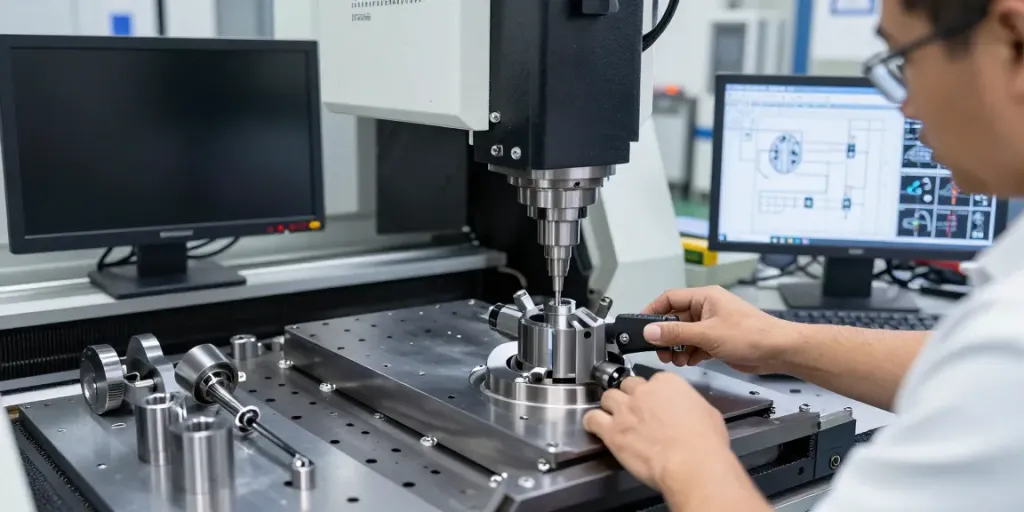
CNC machining is a manufacturing process that utilizes computer-controlled machines to produce intricate parts with remarkable precision. This technology is particularly valuable in the aerospace sector, where components must meet strict tolerances and standards. CNC machines can perform various operations, including milling, turning, and drilling, allowing manufacturers to create complex geometries that are essential for aerospace applications.
The advantages of CNC machining extend beyond mere precision. Automation significantly reduces the risk of human error, enhances production speed, and facilitates the mass production of components without sacrificing quality. As a response to the increasing complexity of aerospace designs, CNC technology continues to improve, enabling manufacturers to meet the evolving needs of the industry.
Market Trends and Demand in 2026
As we look towards 2026, several market trends are expected to influence the aerospace CNC machining landscape. The global aerospace market is projected to grow significantly, driven by factors such as increasing air travel demand, defense spending, and advancements in aerospace technology. This growth presents a unique opportunity for CNC parts manufacturers to expand their capabilities and enhance their service offerings.
- Increased Investment in Research and Development: Aerospace manufacturers are investing heavily in R&D to innovate and improve product performance, which directly impacts the demand for CNC machined components.
- Focus on Lightweight Materials: The shift towards lightweight materials like titanium and composites is reshaping how aerospace parts are designed and manufactured, requiring advanced CNC machining techniques.
- Growing Emphasis on Automation: As the industry moves towards smart manufacturing, automation technologies such as AI and IoT in CNC operations are gaining traction.
Innovative Technologies Shaping Manufacturing
Technological advancement is a critical driving force behind the aerospace CNC machining sector. Technologies such as additive manufacturing, machine learning, and advanced robotics are being integrated into traditional CNC processes to enhance efficiency and product quality. For example, the use of 5-axis CNC machines allows for greater flexibility in design and more complex machining processes, significantly reducing production times.
Top Materials Used by Aerospace CNC Parts Manufacturers
Common Metals in Aerospace Manufacturing
When it comes to aerospace CNC machining, material selection is crucial. Manufacturers commonly use a variety of metals that offer superior strength-to-weight ratios, corrosion resistance, and thermal stability. Some of the most frequently used metal materials include:
- Aluminum Alloys: Lightweight and resistant to corrosion, aluminum alloys are often utilized in aircraft structures and components.
- Titanium Alloys: Known for their exceptional strength and heat resistance, titanium is ideal for high-performance aerospace applications.
- Stainless Steel: Offering excellent durability and resistance to oxidation, stainless steel is commonly used in critical aerospace components.
Popular Plastics for Lightweight Components
Aside from metals, plastics also play a vital role in aerospace manufacturing, particularly in applications where weight reduction is paramount. Some popular types of plastics used in CNC machining include:
- PVC (Polyvinyl Chloride): Known for its rigidity and chemical resistance.
- PEEK (Polyether Ether Ketone): Offers high-temperature resistance and chemical stability.
- ABS (Acrylonitrile Butadiene Styrene): Commonly used for interior aircraft components due to its impact resistance and ease of machining.
Material Selection Best Practices
Selecting the right material for aerospace components is a critical aspect of the CNC machining process. It involves evaluating multiple factors, including mechanical properties, compatibility with manufacturing processes, and cost. Best practices for material selection include involving engineers early in the design phase, utilizing material databases for comparison, and conducting thorough testing to validate material choices.
Challenges Faced by Aerospace CNC Parts Manufacturers
Quality Assurance and Compliance Standards
Aerospace manufacturers are subject to stringent quality assurance and compliance standards. Compliance with regulations such as AS9100 and ISO 9001:2015 is essential to ensure product safety and reliability. Manufacturers must invest in robust quality management systems to monitor processes, conduct inspections, and validate compliance with industry standards.
Cost Management in Manufacturing
The aerospace industry is characterized by high production costs, driven by material prices, labor, and technological investments. Effective cost management strategies are essential for CNC parts manufacturers to remain competitive while maintaining quality. Techniques such as lean manufacturing and process optimization can help reduce waste and lower production costs.
Supply Chain and Material Availability Issues
Supply chain disruptions have become increasingly common, affecting the availability of critical materials for aerospace manufacturing. Manufacturers must develop resilient supply chain strategies that include diversifying suppliers, maintaining inventory buffers, and adopting advanced forecasting tools to mitigate risks associated with material shortages.
Future Trends in Aerospace CNC Machining
Emerging Technologies and Their Impact
The future of aerospace CNC machining will be heavily influenced by emerging technologies. Innovations such as AI-driven analytics, additive manufacturing (3D printing), and blockchain for supply chain transparency have the potential to revolutionize how components are designed, fabricated, and delivered. These technologies will enhance efficiency, reduce lead times, and improve overall product quality.
Predictive Maintenance in CNC Operations
Predictive maintenance is becoming an industry standard as manufacturers increasingly rely on data analytics to predict machinery failures. By monitoring equipment performance in real-time, manufacturers can schedule maintenance proactively, minimizing downtime and improving operational efficiency. This approach allows for a smoother production process and extends the life of CNC machines.
Sustainability Initiatives in Aerospace Manufacturing
As environmental concerns continue to gain attention, the aerospace industry is embracing sustainable manufacturing practices. Incorporating eco-friendly materials, reducing waste, and implementing energy-efficient processes are essential initiatives for CNC parts manufacturers looking to meet both regulatory requirements and customer expectations. Sustainability not only enhances corporate responsibility but can also lead to cost savings in the long run.
Case Studies of Successful Aerospace CNC Parts Manufacturers
Notable Companies Setting Industry Standards
Several companies have emerged as leaders in the aerospace CNC machining sector, setting benchmarks for quality and innovation. For instance, companies like Miller CNC and Owens Industries have established themselves as top-tier suppliers, leveraging advanced CNC technologies and skilled labor to deliver high-quality components that meet rigorous aerospace standards.
Innovative Approaches to Production Challenges
Leading CNC parts manufacturers are constantly developing innovative approaches to overcome production challenges. For instance, some companies are utilizing modular manufacturing setups, enabling them to adapt quickly to changing production needs and reduce lead times significantly. Additionally, employing simulation software allows manufacturers to optimize machining processes before actual production.
Customer Success Stories and Feedback
Real-world examples of successful partnerships between aerospace manufacturers and CNC parts suppliers showcase the importance of collaboration and mutual understanding. Feedback from customers emphasizes the need for responsiveness, flexibility, and commitment to quality, which are paramount for maintaining long-term relationships in the aerospace industry. By prioritizing customer needs and fostering open communication, manufacturers can build trust and drive success.
What are the leading aerospace CNC parts manufacturers?
Several key players dominate the aerospace CNC machining landscape, including Honscn, Owens Industries, and Ardel Engineering. These companies are recognized for their commitment to quality, innovation, and customer satisfaction.
How does CNC machining impact aerospace manufacturing?
CNC machining significantly impacts aerospace manufacturing by improving precision, reducing production times, and enabling the use of complex materials. This technology is essential for meeting the demanding standards of the aerospace industry.
What materials are most commonly used in aerospace parts?
Common materials in aerospace manufacturing include aluminum alloys, titanium alloys, stainless steel, and various plastics. The choice of material depends on the specific requirements of the application.
What are the main challenges in aerospace CNC machining?
Main challenges include adhering to strict quality standards, managing production costs, and navigating supply chain disruptions. Overcoming these challenges requires strategic planning and investment in advanced technologies.
What trends are shaping the future of aerospace manufacturing?
Key trends include the integration of automation and AI in manufacturing processes, a focus on sustainability, and the adoption of innovative materials—each shaping the future landscape of aerospace manufacturing.