Understanding GRP: A Key Material for Modern Construction
Glass Reinforced Plastic (GRP) has become a cornerstone material in the construction and manufacturing sectors, known for its remarkable strength, durability, and versatility. As industries increasingly seek alternatives to traditional materials, GRP presents compelling advantages that cannot be overlooked. GRP's unique properties make it suitable for a wide range of applications, from structural components to specialized products tailored to specific industry demands. When exploring options, GRP Manufacturer resources provide comprehensive insights into this innovative material.
What is GRP and its Composition?
GRP is a composite material made by embedding glass fibers within a resin matrix. This combination results in a lightweight material that exhibits exceptional strength-to-weight ratios, making it ideal for various applications. Typically, GRP consists of the following components:
- Glass Fibers: These are the main reinforcing agents, contributing to the material's tensile strength.
- Resin: The resin binds the fibers, providing structural integrity and protecting them from environmental degradation.
- Additives: Various additives are incorporated to enhance properties such as UV resistance, fire retardancy, and chemical stability.
Benefits of GRP Over Traditional Materials
Compared to traditional materials like steel or aluminum, GRP offers several advantages:
- Lightweight: GRP can be up to 70% lighter than steel, facilitating easier handling and installation.
- Corrosion Resistance: GRP does not rust, making it suitable for use in harsh environments where metal materials would fail.
- Low Maintenance: GRP requires minimal upkeep, with no need for painting or protective coatings.
- Thermal and Electrical Insulation: GRP's non-conductive nature makes it ideal for applications involving electrical safety.
Common Applications of GRP in Construction
GRP finds its utility across various construction sectors, including:
- Infrastructure: Used in bridges, walkways, and safety barriers.
- Marine: Ideal for boats, docks, and marine structures due to its resistance to saltwater.
- Industrial: Components in chemical plants, wastewater treatment facilities, and power stations.
- Architecture: Aesthetic elements like cladding, facades, and roofing materials.
Advantages of Partnering with a GRP Manufacturer
Quality Assurance and Compliance Standards
The integrity of GRP products largely depends on the manufacturing processes and compliance with industry standards. Leading GRP manufacturers adhere to strict quality management systems, such as ISO 9001, to ensure product consistency and safety. Manufacturers conduct rigorous testing to meet various performance specifications, ensuring that the products not only perform well but are also safe for public use.
Customization and Tailored Solutions
Another significant advantage of working with established GRP manufacturers is the ability to obtain customized solutions. Manufacturers can provide bespoke products that meet specific project requirements, such as unique dimensions, colors, or added functionalities, ensuring that each application is optimally served. This level of customization can enhance the overall efficiency and aesthetic appeal of projects.
Rapid Response and Delivery Times
In the fast-paced construction industry, time is of the essence. Leading GRP manufacturers often offer rapid quotation services and expedite delivery times, ensuring that projects are not stalled due to delays in material supply. Many manufacturers have efficient logistical systems that allow for next-day delivery of common GRP products, helping clients stay on schedule.
GRP Products: Suite of Offerings by Leading Manufacturers
Overview of Available GRP Products
GRP manufacturers provide a comprehensive range of products designed to meet diverse industry needs. Some of the most common offerings include:
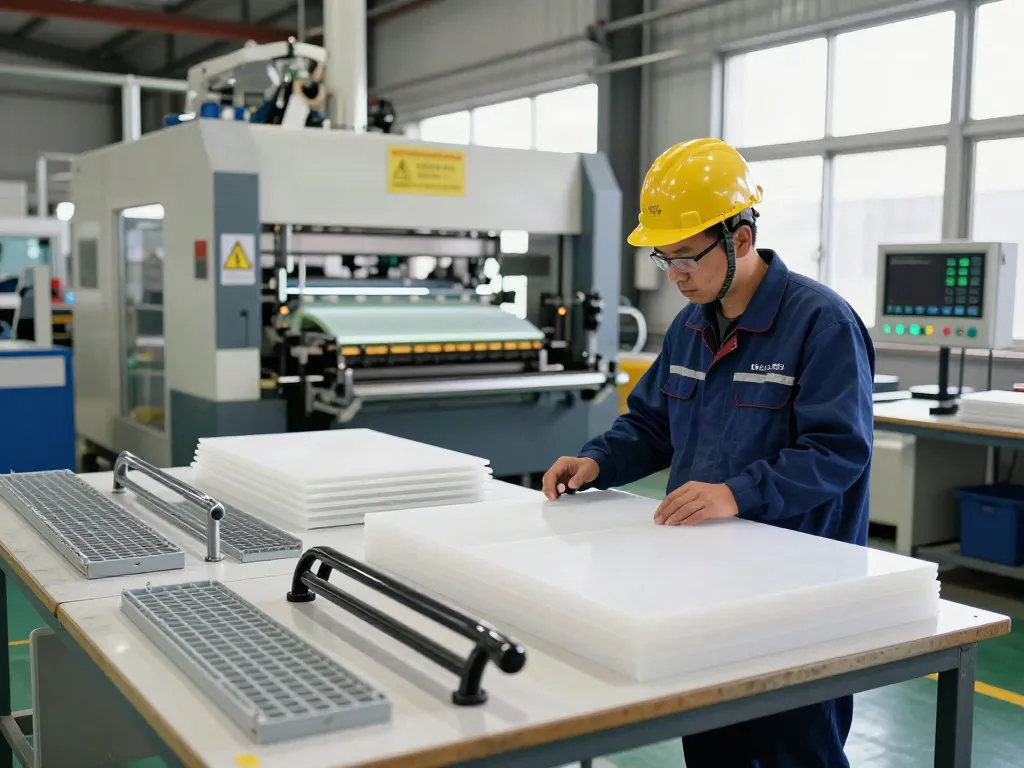
- GRP Grating: Highly durable, anti-slip flooring solutions for industrial and commercial environments.
- GRP Handrails: Safety features for walkways and steps, providing reliable support and stability.
- GRP Profiles: Structural elements such as beams, channels, and brackets used in construction.
- GRP Fencing: Long-lasting security solutions for various applications.
Performance Specifications and Compliance
Each GRP product is manufactured to meet specific performance standards, ensuring reliability and compliance with relevant regulations. For instance, products may be engineered to meet the BS EN 13706 performance standard for structural applications, guaranteeing their suitability for load-bearing uses.
Case Studies of GRP Implementations
Numerous case studies illustrate the successful implementation of GRP products across various sectors. For example, a marine engineering firm utilized GRP boat parts due to their lightweight and corrosion-resistant properties, significantly enhancing the performance and longevity of their vessels. Similarly, infrastructure projects have benefited from GRP grating in pedestrian walkways, ensuring safety and durability while minimizing maintenance costs.
Choosing the Right GRP Manufacturer for Your Needs
Evaluating Manufacturer Credentials and Experience
Selecting a reliable GRP manufacturer is crucial for project success. Consider factors such as the manufacturer’s industry experience, certifications, and track record in delivering quality products. A seasoned manufacturer often possesses a deeper understanding of performance standards and can offer valuable insights into material selection.
Importance of Customer Reviews and Ratings
Customer feedback can provide a wealth of information about a manufacturer’s reliability, service quality, and product performance. Look for manufacturers with a strong reputation and positive reviews from industry peers. This feedback will help you gauge their ability to meet your specific needs.
Quotes and Budgeting: How to Get Started
When budgeting for GRP materials, it's essential to obtain detailed quotes that outline all costs, including delivery and any customization options. Many manufacturers offer free consultations or quotes, which can be invaluable in understanding the overall investment required for your project.
Future Trends in GRP Manufacturing and Applications
Innovations in GRP Technology
The future of GRP manufacturing looks promising as advancements continue to emerge. Innovations such as the development of bio-based resins and enhanced fiber technologies are leading to more sustainable and high-performance materials, aligning with modern environmental standards and expectations.
Environmental Considerations and Sustainability
With a heightened focus on sustainability, GRP manufacturers are increasingly adopting eco-friendly practices. This includes sourcing materials responsibly and implementing processes that reduce energy consumption during production. Additionally, initiatives for recycling GRP materials are being explored, contributing to a circular economy.
Predictions for GRP Usage in 2026 and Beyond
Looking ahead, we can anticipate that the demand for GRP in construction and infrastructure development will continue to rise. As industries shift towards more sustainable practices, GRP's lightweight and corrosion-resistant properties make it an attractive option for both new projects and renovations. Furthermore, increased awareness of safety and compliance will drive its adoption across various sectors.
What advantages does GRP offer over steel?
GRP significantly outperforms steel in terms of weight, corrosion resistance, and maintenance costs. While steel requires constant upkeep and is susceptible to rust, GRP is inherently immune to such issues and offers lower lifecycle costs due to its durability.
How do I ensure quality when purchasing GRP products?
To ensure quality, it's paramount to select a manufacturer that adheres to recognized performance standards and possesses the relevant certifications. Reviewing compliance documentation and conducting tests is advisable to guarantee product authenticity.
Can GRP products be used for structural applications?
Yes, GRP products can be designed for structural applications, provided they meet the necessary performance standards for load-bearing use. Manufacturers frequently produce GRP profiles specifically for structural integrity, making them suitable for various construction projects.
Is GRP suitable for outdoor projects?
Absolutely. GRP is inherently suitable for outdoor use due to its UV stabilization and resistance to moisture, salt, and chemicals. Its longevity in exposed conditions makes it an ideal choice for exterior applications.
What maintenance do GRP products require?
GRP products are designed for minimal maintenance, requiring only periodic cleaning with mild detergents to keep them in optimal condition. They do not require painting, galvanizing, or complex upkeep.